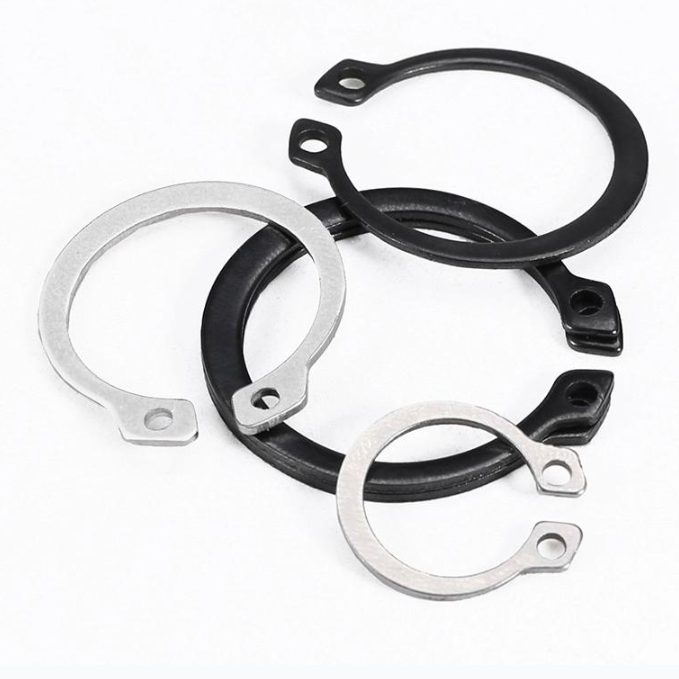
2026-10-29 Elastic circlips are common axial retaining fasteners for machinery assembly and overseas equipment repair. Many overseas buyers and maintenance engineers mistakenly mix up DIN471 shaft circlips and DIN472 bore circlips. These two types differ fundamentally in structure, spring direction and matched groove dimensions, and they cannot be interchanged. Once mismatched, the circlip cannot lock components reliably and will pop out under vibration, leading to component shifting, equipment downtime and bulk rejection. This article clarifies the application boundary of both standards, sorts out selection check points and groove matching requirements to avoid disputes in maintenance procurement.
Read More 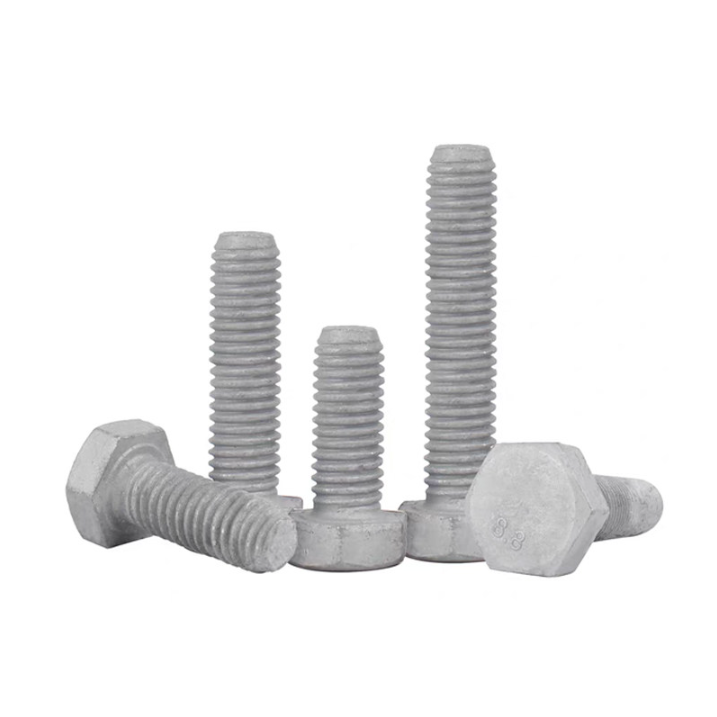
2026-10-28 Many buyers match hot dip galvanized HDG bolts with standard plain nuts directly, without considering the coating thickness occupying the thread space. The galvanized layer adds material on the thread flank and causes thread interference, bolts cannot be fully tightened. This article covers HDG thread allowance rules, nut tapping oversize requirements, ASTM A153 standard notes and common procurement traps, helping you avoid on-site assembly failure and rework cost.
Read More 
2026-10-27 Many overseas buyers and suppliers mix up 6H/6g and 6H/5g6g thread tolerance combinations without clear understanding of tolerance band differences. This mistake leads to frequent inspection failures during incoming quality control, especially after electroplating. Tight tolerance of 5g6g leaves limited margin for coating thickness, which easily causes thread oversize and gauge rejection. This article clarifies the definition, applicable scenarios, inspection logic and procurement specification rules for these two tolerance matches, helping buyers avoid costly batch rejections.
Read More 
2026-10-23 In maintenance procurement for legacy British-made equipment overseas, many buyers mistakenly replace BSW Whitworth thread fasteners with UNC unified coarse thread fasteners simply because they share similar nominal diameter and TPI. These two thread types differ fundamentally in thread angle and crest/root profile. They may screw together temporarily, yet only partial flank contact occurs. After equipment starts running, thread slipping and galling will quickly occur, resulting in customer complaints, returns and shutdown loss. This article compares key parameters of the two imperial threads, explains failure causes, field identification methods and foreign trade procurement rules to avoid assembly substitution disputes.
Read More 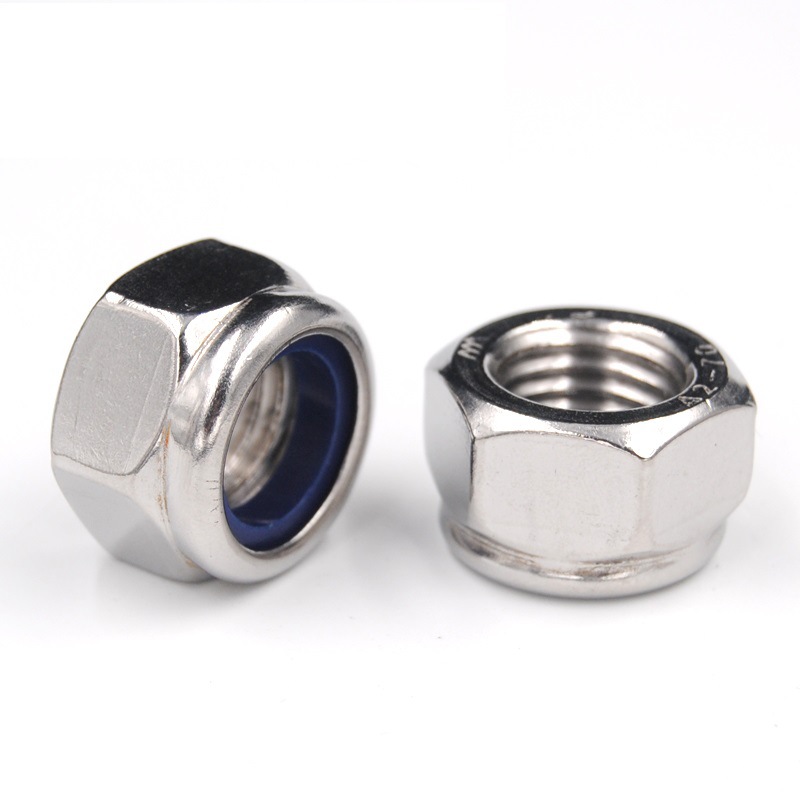
2026-10-22 Nyloc lock nuts (DIN985) rely on the nylon insert to create prevailing torque for anti-loosening performance. They work well at room temperature and will not scratch bolt threads, so they are widely selected for general industrial assemblies. The continuous temperature limit for standard PA66 nylon inserts is 120°C. Many buyers and mechanical engineers are unaware of this temperature limit and apply Nyloc nuts on high-temperature equipment such as heat exchangers, drying machines and exhaust assemblies. Under sustained heat, the nylon insert softens and melts, losing clamping force. The threaded joint will loosen gradually, leading to shutdown, safety hazards and order claims. This article explains the locking principle and thermal failure process of standard Nyloc nuts, compares alternative all-metal lock nuts, and lists key checking points for drawing and purchasing.
Read More 


