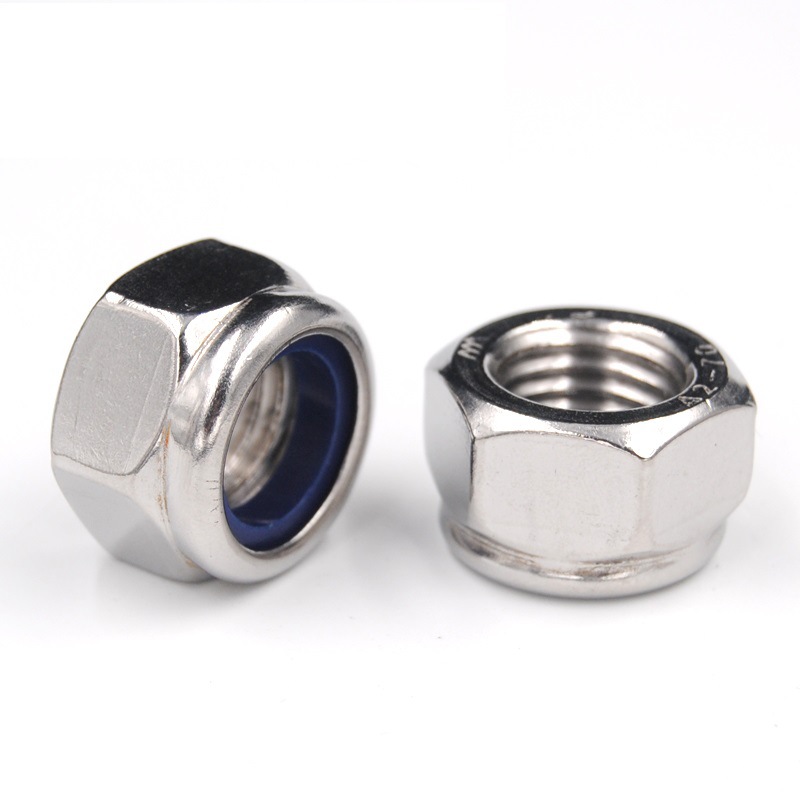
2026-10-22 Nyloc lock nuts (DIN985) rely on the nylon insert to create prevailing torque for anti-loosening performance. They work well at room temperature and will not scratch bolt threads, so they are widely selected for general industrial assemblies. The continuous temperature limit for standard PA66 nylon inserts is 120°C. Many buyers and mechanical engineers are unaware of this temperature limit and apply Nyloc nuts on high-temperature equipment such as heat exchangers, drying machines and exhaust assemblies. Under sustained heat, the nylon insert softens and melts, losing clamping force. The threaded joint will loosen gradually, leading to shutdown, safety hazards and order claims. This article explains the locking principle and thermal failure process of standard Nyloc nuts, compares alternative all-metal lock nuts, and lists key checking points for drawing and purchasing.
Read More 
2026-10-21 Mill Test Certificate (MTC) is a critical document for fastener export projects. Many export orders are detained or rejected overseas simply due to inconsistent heat numbers, mismatched material grades and non-compliant certificate formats. This article sorts out the standard audit checklist of bolt MTC, distinguishes MTC from COA, lists frequent non-conformity risks and provides a complete pre-shipment inspection process, helping fastener suppliers avoid huge losses caused by certificate issues.
Read More 
2026-10-19 This article addresses the frequent rust issue of fasteners caused by container rain during ocean transportation for foreign trade. It analyzes the corrosion mechanism of container condensation, compares multiple marine anti-rust packaging solutions, sorts out common misunderstandings of export packaging, and provides standardized packing procedures. It helps purchasing and engineering teams avoid the risk of cargo rejection due to rust upon arrival, and reduce claim and rework losses on overseas orders.
Read More 
2026-10-16 Targeting overseas heavy industry frequent failure caused by incorrect stud bolt engagement depth, this article explains load transfer principle of double-ended threads, lists risks of insufficient base engagement and improper nut side thread length. It supplies reference table for different base materials and standardized assembly steps for pressure vessel and mold equipment. Help engineering and purchasing teams avoid thread pull-out and reduce on-site rework loss.
Read More 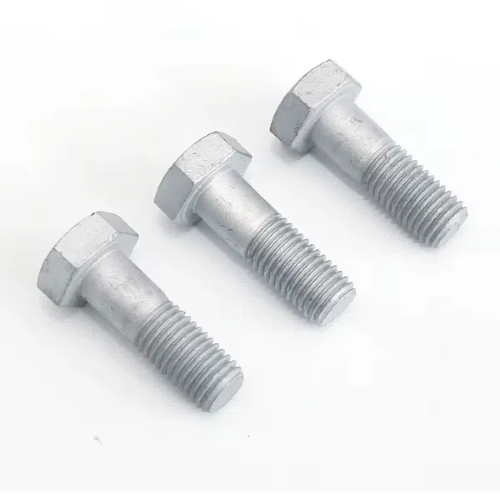
2026-10-15 Aiming at the hidden batch failure risk of high strength bolts breaking days after electroplating assembly in overseas heavy industry projects, this article analyzes the hydrogen embrittlement mechanism, compares hydrogen risk levels of different coating processes, sorts out high frequency procurement pitfalls, and outputs standard prevention rules including bake-out process and zinc flake coating selection. It helps overseas engineering teams avoid batch scrap and quality disputes caused by delayed fracture.
Read More 


