
2026-10-02 Two washers can fit the same bolt but perform very differently. Their outside diameters may change how the joint handles load. A flat washer spreads clamp force between the fastener and joint surface. Its outside diameter controls how much material supports that force. More bearing area can reduce surface pressure, indentation, and pull-through risk. However, a larger washer is not always the better choice. Thickness, hardness, joint material, available space, and fastening standards also matter. In this article, you will learn how washer OD affects load distribution, what happens when it is too small or too large, and how to choose a suitable size.
Read More 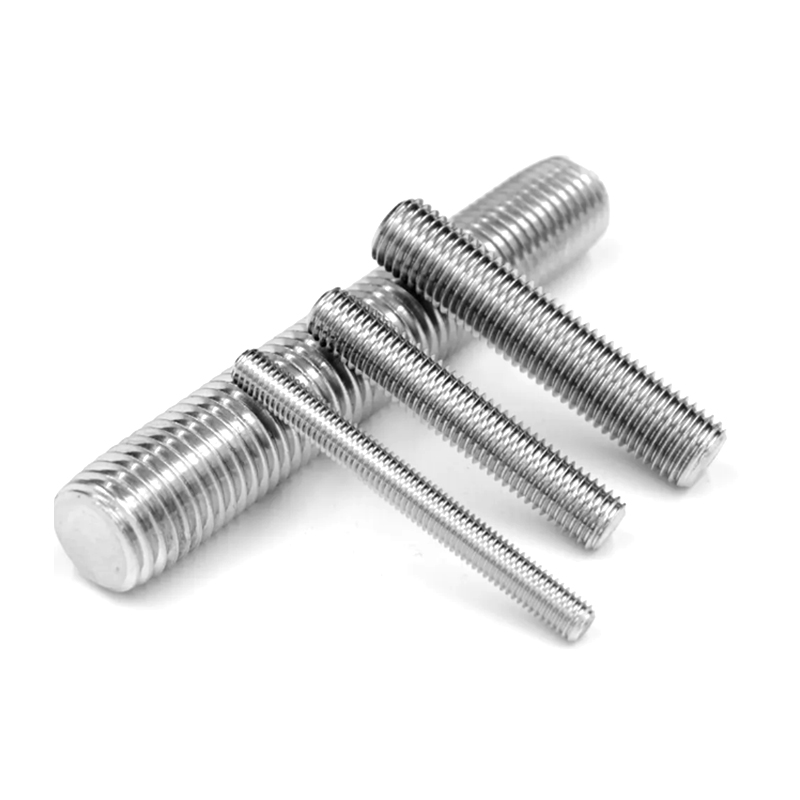
2026-09-30 Aiming at the common rework pain points of ultra-long full-thread studs in overseas steel structure hoisting and equipment support projects, such as self-weight sagging, bending deformation and vibration offset instability, this article analyzes the rigid failure mechanism of over-limit length-diameter ratio, compares the safety boundaries of different specification matching, summarizes foreign trade customization and construction high-frequency pitfalls, and sorts out standardized length control and reinforcement schemes, providing accurate and anti-rework full-thread stud selection guidelines for overseas engineering projects.
Read More 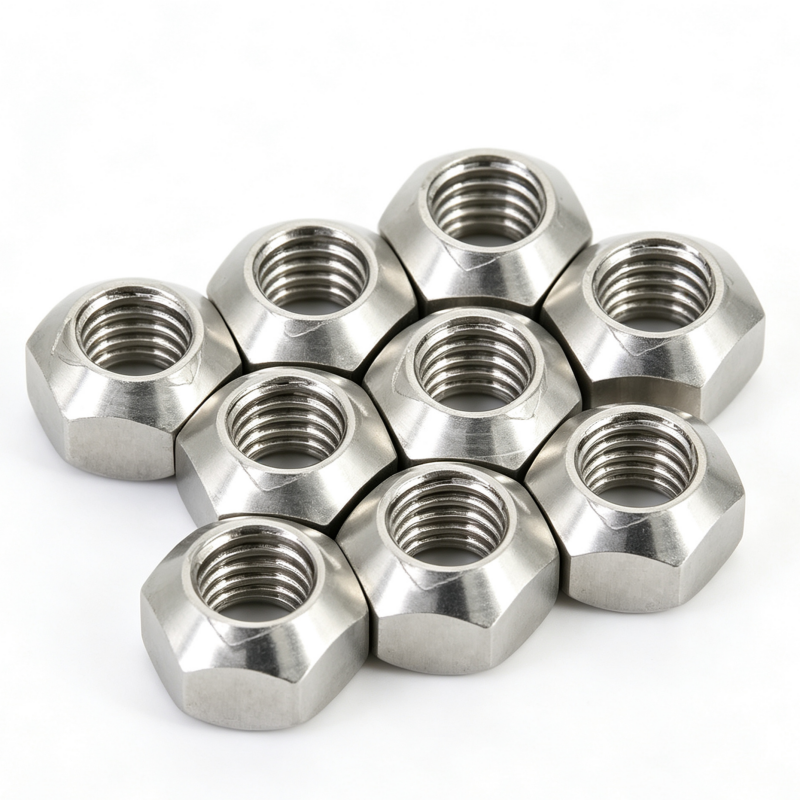
2026-09-30 Can you unscrew a lock nut safely? Discover the correct techniques for nylon and all-metal lock nuts to prevent galling, thread damage, and downtime.
Read More 
2026-09-30 Tightening a bolt creates concentrated pressure beneath the head or nut. That small contact area can affect the entire joint. A flat washer sits between the fastener and the joint surface. It increases the bearing area and reduces local surface pressure. It can also protect the material and create a more stable seating surface. These effects may reduce indentation, embedment, and unwanted preload loss. However, a standard flat washer should not be treated as an anti-loosening device. Here, you will learn when a washer matters, where it should be placed, and how diameter, thickness, and hardness affect bolted joint performance.
Read More 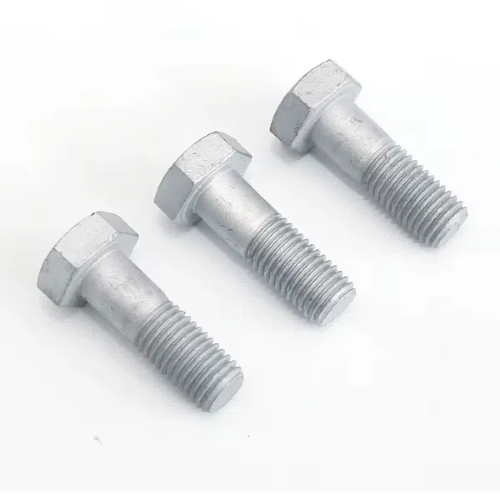
2026-09-29 Aiming at the common construction misconception of "the tighter the bolt, the safer" in overseas high-strength bolt assembly projects, this article analyzes the failure mechanism of tensile elongation and brittle head burst caused by excessive preload, compares the stress differences of insufficient, standard and over-locking states, summarizes on-site high-frequency wrong operation pitfalls, and sorts out international standard preload torque control rules, providing safe and standardized assembly guidelines for overseas steel structure and mechanical equipment projects.
Read More 


