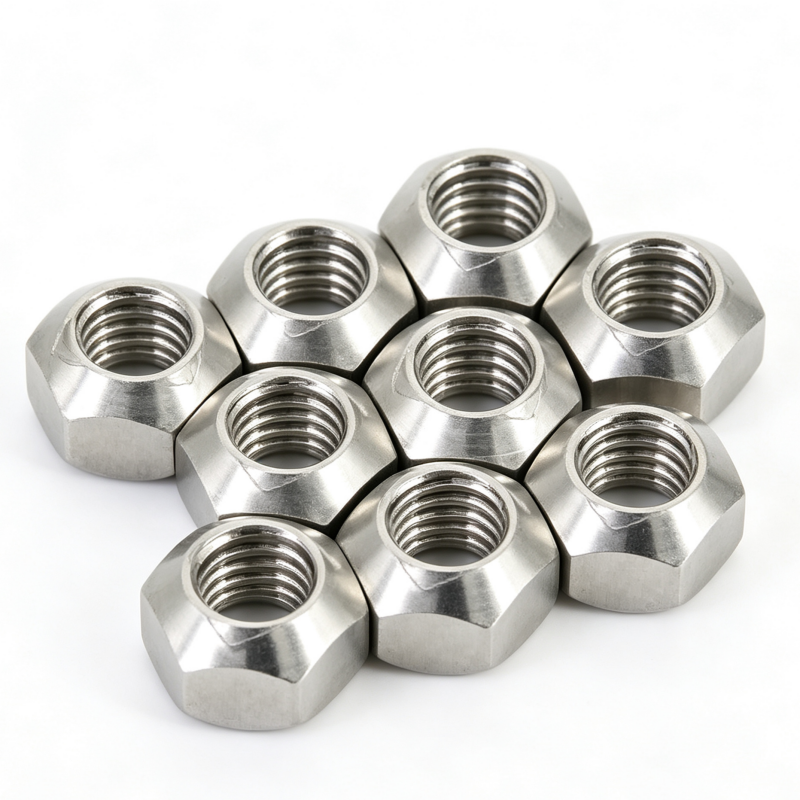
Fasteners secure industrial machinery against extreme vibrations. Lock nuts are explicitly engineered to resist loosening. This makes their extraction inherently difficult. Maintenance technicians inevitably ask, can you unscrew a lock nut safely? Yes, you certainly can. However, the process dictates distinct approaches. You must identify whether the locking mechanism relies on friction or mechanical deformation.
Using the wrong removal method causes severe issues. It leads to thread galling, permanently damaged bolts, and costly operational delays. In this comprehensive guide, we will explore exactly how to tackle these stubborn fasteners. You will learn how to match your tooling to the specific nut material. We will detail step-by-step extraction techniques for both nylon and metal types. Finally, we will share troubleshooting methods for seized threads and evaluate whether reused hardware is ever safe.
Key Takeaways
Method matches material: Nylon insert lock nuts require steady, unheated torque; all-metal lock nuts often require chemical penetrants or controlled thermal expansion.
Tooling matters: Standard 12-point sockets risk rounding the nut; strictly use 6-point sockets and breaker bars for removal.
Reusability is a liability: Industry standards generally advise against reusing any lock nut once unthreaded, as the prevailing torque degrades significantly.
Galling prevention: Stainless steel metal lock nuts are highly susceptible to cold-welding during removal without proper lubrication.
The Mechanics: Why Lock Nuts Resist Removal
You must understand the underlying locking mechanism before choosing a removal strategy. Fasteners fight against you by design. Recognizing how they grip the bolt prevents unnecessary damage during extraction.
Nylon Insert Lock Nuts (Nyloc)
A nylon insert lock nut relies on radial compression. It contains an undersized polymer ring embedded inside the top collar. As you thread it, the steel bolt cuts into this softer plastic ring. The nylon deforms around the threads. This creates constant, high-friction interference. It resists vibrational loosening exceptionally well. However, this same friction means the nut will never spin freely off the bolt.
All-Metal Lock Nuts
Conversely, an all-metal lock nut depends on distorted threads. Manufacturers deliberately ovalize the top threads. Some variations use specialized top-lock or side-lock designs. Driving the bolt through these distorted threads forces them outward. This metal-on-metal friction generates extremely high prevailing torque. These fasteners excel in high-heat environments. Unfortunately, they also demand immense force to break loose.
The Galling Risk (Cold Welding)
Aggressive, unlubricated removal carries severe risks. Stainless steel hardware is notoriously vulnerable to thread galling. High friction generates localized heat during rapid removal. This heat strips away the protective oxide layer on the steel. The bare metals touch, compress, and fuse together instantly. Cold welding turns a simple maintenance task into a forced cutting operation.
Tooling and Preparation to Remove a Lock Nut
Matching the right tool to the job prevents stripped heads and snapped bolts. You need tools designed to maximize torque transfer while minimizing material damage.
Solution Categories & Tool Shortlist
Primary Drive Tools: Always select 6-point sockets for stubborn fasteners. They grip the flat sides of the hex head. Standard 12-point sockets grip the weaker corners. They will easily round off a seized nut. Pair your 6-point socket with a long breaker bar. Breaker bars provide slow, sustained leverage.
Power Tools: Impact wrenches deliver rapid shock force. They break initial stiction highly effectively. However, impact tools generate rapid friction. They significantly increase the risk of galling on stainless steel metal nuts. Use them cautiously.
Chemical Aids: High-quality penetrating oils soften rust. Products like Kroil or PB Blaster utilize capillary action. They seep into micro-crevices inside metal-on-metal threads. Standard lubricants perform poorly here.
Thermal Tools: Heat guns or oxy-acetylene torches expand metal rapidly. They break rust seals effortlessly. Keep them strictly limited to metal hardware. Applying thermal shock melts polymer components instantly.
Tool Selection Guide for Lock Nut Removal
Tool Type
Best Application
Risks to Watch Out For
6-Point Socket & Breaker Bar
All lock nut extractions.
Requires adequate physical clearance around the fastener.
Impact Wrench
Large, rusted steel assemblies.
Causes rapid heat buildup; triggers galling in stainless steel.
Penetrating Oil
Seized all-metal lock nuts.
Requires 15-30 minutes of soak time before working.
Oxy-Acetylene Torch
Severely rusted metal hardware.
Destroys nylon inserts; poses severe fire hazards nearby.
How to Safely Remove a Nylon Insert Lock Nut
Polymer-based fasteners demand patience and smooth torque. Rushing this process usually results in rounded hex heads or snapped mounting brackets.
Step 1: Secure the Bolt. You must prevent the underlying threaded rod from spinning. Hold the bolt head stationary using a backup wrench. If the bolt rotates freely, you lose all torque transfer.
Step 2: Apply Continuous, Even Torque. Avoid sudden jerking motions. Connect your 6-point socket to a long-handled ratchet or breaker bar. Apply steady pressure to overcome the nylon collar's grip. The polymer exerts constant resistance.
Step 3: The Heat Warning. We explicitly advise against using heat unless the assembly is permanently seized. Thermal tools will permanently melt the nylon collar. The melting plastic emits toxic fumes. It also ruins the structural integrity of the surrounding joint.
Implementation Reality: Do not expect the fastener to spin off freely by hand. Breaking the initial stiction is only the first step. You must wrench the nut for the entire length of the thread. The nylon grips until it clears the very last thread.
How to Unscrew an All-Metal Lock Nut
Metal fasteners require a vastly different approach. You are fighting distorted metal threads, potential rust, and high friction. Lubrication and technique become critical.
Step 1: Chemical Saturation. Apply dedicated penetrating fluid directly to the exposed threads. Do this 15 to 30 minutes prior to extraction. The fluid wicks downward, reducing metal-on-metal friction significantly.
Step 2: Controlled Force. Attach your breaker bar to break the initial mechanical lock. Pull with steady pressure. If resistance spikes dramatically, stop pulling immediately. A sudden spike indicates severe binding and potential galling.
Step 3: The "Back-and-Forth" Technique. If the fastener binds heavily, reverse your direction. Tighten it a quarter-turn. Apply more penetrating oil. Then, loosen it a half-turn. This motion acts like a cutting tap. It clears rust flakes and metal debris from the threads.
Step 4: Applying Heat (Evaluation Lens). If the hardware remains seized, apply localized heat. Aim your torch directly at the nut, avoiding the bolt. The intense heat forces the metal to expand outward. This expansion breaks the rust seal. Always maintain strict fire safety protocols in industrial environments.
Troubleshooting Seized or Stripped Lock Nuts
Sometimes standard procedures fail. Years of corrosion or previous improper tooling can ruin the hex head. Attempting to remove a lock nut in these edge cases requires specialized recovery tactics.
Risk Mitigation & Edge Cases
Rounded Profiles: Conventional sockets slip off damaged corners. Switch to specialized nut extractor sockets. These tools feature sharp, reverse-spiral flutes. They bite deeper into the stripped metal as you apply counter-clockwise torque.
Severe Galling: You will recognize severe galling when the fastener completely seizes mid-thread. When mechanical unthreading fails, you must transition to destructive removal. The primary goal shifts to saving the expensive bolt or stud.
Destructive Methods (Last Resort): Utilize a mechanical nut splitter. This tool clamps around the hex head. It drives a hardened steel wedge through the side wall. It splits the fastener without touching the underlying threads. Alternatively, use a rotary tool to carefully slice the side wall vertically. Tap a chisel into the slice to widen it.
Evaluation Standard: Can You Reuse a Lock Nut After Removal?
Maintenance teams constantly face procurement decisions. Should you clean the removed hardware or throw it away? Industry consensus heavily favors replacement to ensure joint integrity.
Nylon Inserts
Do not reuse them. The nylon collar permanently deforms upon its very first installation. The bolt threads cut unique grooves into the plastic. Unthreading tears those grooves. Reusing the fastener sacrifices its vibration-resistance properties entirely. Reusing polymer locking hardware violates most aviation, automotive, and structural compliance standards.
All-Metal Nuts
Proceed with extreme skepticism. Some manufacturers state their mechanical fasteners can be reused a limited number of times. However, they must meet minimum prevailing torque specifications during reinstallation. Each installation cycles the distorted threads. The clamping force drops significantly every single time. Conservative engineering practice dictates replacing them immediately. Risking joint failure to save minimal hardware costs makes terrible financial sense.
Next-Step Action
Standardize your maintenance procedures. Equip field kits with bulk replacements of frequently removed hardware. When technicians have easy access to fresh supplies, they stop reusing compromised components.
Conclusion
Safely extracting stubborn fasteners relies entirely on strategy. The ability to effectively extract them comes down to matching your tools and methods to the specific material. Remember the primary rule of thumb. Use patience and steady leverage for nylon inserts. Rely heavily on chemical lubrication and targeted thermal expansion for all-metal varieties.
Never rush the extraction process. Ignoring binding symptoms causes severe thread galling and broken studs. Finally, review your inventory immediately. Ensure maintenance teams stay well-supplied with fresh, high-quality replacements. Risking a catastrophic assembly failure through hardware reuse is a costly mistake.
FAQ
Q: How do you remove a spinning lock nut?
A: When the underlying bolt spins, you lose torque transfer. Use heavy-duty locking pliers or a secondary backup wrench. Immobilize the bolt head tightly. Once secured, apply steady counter-clockwise torque directly to the nut. Ensure both tools remain properly seated to avoid slippage.
Q: Can I use an impact wrench on a nylon insert lock nut?
A: Yes, an impact wrench speeds up removal significantly. However, you must remain extremely cautious. Rapid impacts generate intense friction. This heat easily melts the nylon collar directly into the bolt threads. The melted polymer acts like glue, causing the assembly to bind tightly.
Q: How do you remove locking lug nuts without the key?
A: Standard industrial lock nuts differ greatly from wheel locking lug nuts. For automotive wheel lugs, you need a specialized emergency extraction socket. These sockets feature reverse-tapered threads that bite into the smooth lug exterior. We advise seeking professional assistance to avoid damaging expensive alloy wheels.
Q: Does WD-40 help unscrew a lock nut?
A: Standard WD-40 serves as a mild water-displacement formula and light lubricant. It remains vastly inferior to dedicated penetrating oils. Products designed explicitly for rust, like Kroil or PB Blaster, utilize stronger solvents. They penetrate seized threads much more effectively than standard multi-purpose sprays.