Have you ever wondered how essential structural bolts are in construction? These critical components ensure safety and stability in buildings and bridges.
This article explores ASTM A325 Type 1, a widely used structural bolt, and its equivalents.
You’ll learn why understanding these standards is crucial for your projects.
What is ASTM A325 Type 1?
ASTM A325 Type 1 refers to a specific standard for structural bolts used in construction. These bolts are designed to provide high strength and durability, making them essential for various applications in buildings, bridges, and other structures. The specifications set forth by ASTM (American Society for Testing and Materials) ensure that these bolts meet rigorous quality standards.
Key Properties of ASTM A325 Type 1
● Minimum Tensile Strength: ASTM A325 Type 1 bolts have a minimum tensile strength of 120 ksi (kilopounds per square inch). This high strength is crucial for bearing heavy loads and ensuring structural integrity.
● Material Composition: Typically, these bolts are made from medium carbon steel or boron steel. The choice of material contributes to their strength and performance in demanding environments.
● Importance of Heat Treatment: Heat treatment is a vital process for achieving the desired strength in ASTM A325 Type 1 bolts. This treatment enhances the mechanical properties, ensuring they can withstand significant stress without failure.
Dimensions and Threading Options
When it comes to dimensions, ASTM A325 Type 1 bolts come in various sizes. The size range includes:
Size Type | Imperial Size | Metric Size |
Diameter | 1/2" to 1.5" | M12 to M36 |
These bolts also offer different threading options to suit specific applications. You can find:
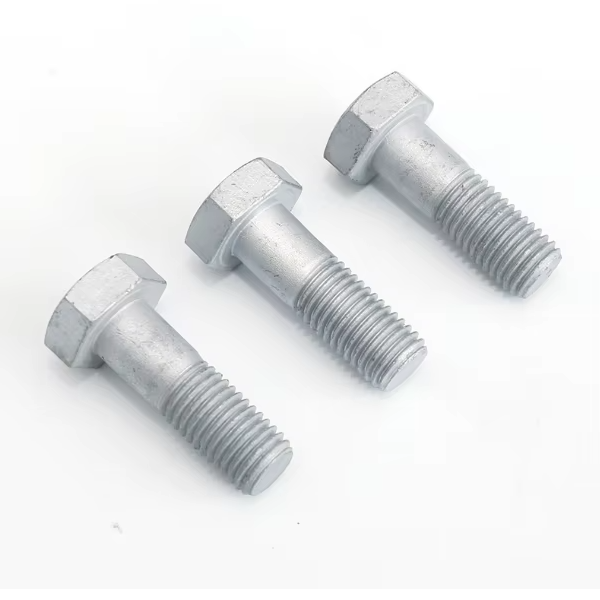
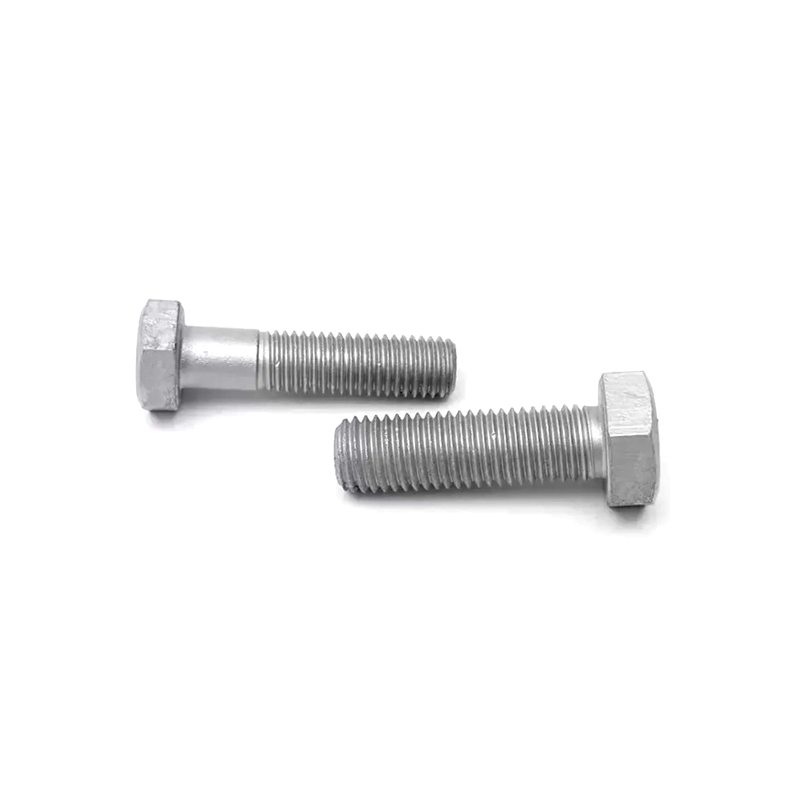
● Full Thread: This option provides a continuous thread along the entire length of the bolt, offering maximum grip and load distribution.
● Partial Thread: This type has a threaded portion that does not extend the full length, which can be useful in situations where a smooth shank is needed for proper fit.
By understanding the specifications and properties of ASTM A325 Type 1 bolts, you can make informed decisions when selecting structural bolts for your projects. Their strength, material composition, and variety of sizes and threading options ensure they meet the demands of modern construction.
Why Are Structural Bolts Important?
Structural bolts play a crucial role in construction, serving as the backbone of many structures. They connect various components, ensuring stability and strength. Without these bolts, buildings and bridges would lack the necessary support to withstand forces from the environment and usage.
Types of Loads Structural Bolts Handle
Structural bolts are designed to manage several types of loads, including:
● Tensile Loads: These are forces that pull the bolts apart. Properly sized bolts can resist these pulling forces effectively.
● Shear Loads: These occur when forces act parallel to the bolt’s axis, pushing it sideways. Structural bolts must be capable of withstanding significant shear forces to maintain joint integrity.
● Combined Loads: Often, bolts face a combination of tensile and shear loads during operation. They must be engineered to handle these complex forces.
Here’s a quick overview of load types:
Load Type | Description |
Tensile | Pulling apart |
Shear | Sliding or cutting across |
Combined | Both tensile and shear forces |
Examples of Applications
Structural bolts find use in various applications, which highlight their importance in construction. For instance:
● Buildings: In high-rise structures, bolts secure beams and columns, supporting floors and roofs.
● Bridges: They connect girders and trusses, enabling bridges to handle heavy traffic loads and environmental stresses.
● Industrial Structures: Factories and warehouses rely on structural bolts to assemble frameworks that support machinery and storage systems.
Safety Considerations
Using the correct type of structural bolt is vital for ensuring safety in construction. If the wrong bolt is used, it can lead to structural failure, potentially causing catastrophic consequences.
It’s essential to consider the specific requirements of each project, including load types and environmental conditions. Proper selection and installation of structural bolts help prevent accidents and ensure the longevity of structures.
International Standards Comparison
When it comes to structural bolts, various international standards ensure consistency and safety in construction practices. Understanding these standards helps engineers and builders select the right materials for their projects. ASTM A325 Type 1 is widely recognized, but there are several other standards across the globe that serve similar purposes.
ISO 898-1
ISO 898-1 is an international standard that specifies the mechanical properties of fasteners made of carbon steel and alloy steel. This standard is particularly relevant for structural applications, as it outlines the requirements for bolts, screws, and nuts used in various engineering fields.
Relevance of ISO 898-1: It provides guidelines for strength classes and mechanical properties, ensuring that fasteners can withstand the demands of different environments. The standard categorizes fasteners based on their tensile strength and other critical properties.
Comparison of Properties:
Property | ASTM A325 Type 1 | ISO 898-1 (Example) |
Minimum Tensile Strength | 120 ksi (827 MPa) | 8.8 (800 MPa) |
Yield Strength | 80 ksi (552 MPa) | 8.8 (640 MPa) |
Material Composition | Medium Carbon Steel | Carbon/Alloy Steel |
As we can see, while ASTM A325 Type 1 emphasizes high tensile strength, ISO 898-1 offers a range of strength classes, allowing for versatility in applications.
DIN Standards
In Germany, the DIN (Deutsches Institut für Normung) standards are crucial for ensuring quality in manufacturing. Two important standards related to structural bolts are DIN 933 and DIN 931.
● DIN 933: This standard covers hexagon head bolts that are fully threaded. It specifies dimensions, tolerances, and mechanical properties, ensuring that these bolts can perform effectively under various loads.
● DIN 931: Similar to DIN 933, this standard focuses on hexagon head bolts but features partial threading. It is designed for applications where a smooth shank is necessary.
Relation to ASTM A325 Type 1: Both DIN standards align closely with the properties of ASTM A325 Type 1 in terms of strength and application. They ensure that bolts can handle similar loads and stresses, making them suitable for use in construction projects.
Standard | Type | Threading | Strength Rating |
ASTM A325 | Type 1 | Full/Partial | 120 ksi (827 MPa) |
DIN 933 | Fully Threaded | Full | Comparable |
DIN 931 | Partially Threaded | Partial | Comparable |
By comparing these international standards, we can see how ASTM A325 Type 1 fits into the broader context of structural bolt specifications. This knowledge is vital for engineers and construction professionals as they navigate global standards in their projects.
Industry Standards Comparison
When discussing structural bolts, understanding the various industry standards is essential. Different standards serve specific applications and ensure that the bolts meet the necessary performance requirements. Let's explore two significant standards: SAE J429 and ASTM F3125, and see how they relate to ASTM A325 Type 1.
SAE J429
SAE J429 is a standard developed by the Society of Automotive Engineers, focusing on the mechanical properties of fasteners, particularly in automotive applications. One of the most notable classifications within this standard is Grade 8 bolts.
Overview of SAE J429 and Grade 8 Bolts: Grade 8 bolts are made from medium carbon alloy steel and are heat-treated to achieve high strength. They are commonly used in demanding applications, such as heavy machinery and automotive components.
Differences in Application and Strength Ratings:
Property | ASTM A325 Type 1 | SAE J429 Grade 8 |
Minimum Tensile Strength | 120 ksi (827 MPa) | 150 ksi (1035 MPa) |
Yield Strength | 80 ksi (552 MPa) | 130 ksi (896 MPa) |
Typical Applications | Structural joints | Automotive & heavy machinery |
While both ASTM A325 Type 1 and SAE J429 Grade 8 bolts are designed for high strength, Grade 8 bolts generally offer superior tensile strength. This makes them suitable for applications requiring even greater load-bearing capabilities.
ASTM F3125
ASTM F3125 is a comprehensive standard that integrates multiple specifications for structural bolts, including ASTM A325 and A490. This standard aims to simplify the selection process by providing a unified framework for different bolt grades.
Explanation of ASTM F3125: It encompasses the requirements for various grades of structural bolts, including those that meet the performance requirements of ASTM A325/A325M. This integration allows for a more streamlined approach to specifying and using structural bolts in construction.
How ASTM A325 Type 1 Fits Within ASTM F3125: ASTM A325 Type 1 is classified under ASTM F3125, ensuring it meets the rigorous standards set forth for structural applications. The inclusion of A325 within F3125 highlights its importance in the industry and guarantees consistency in quality and performance.
Standard | Type | Strength Rating | Application |
ASTM A325 | Type 1 | 120 ksi (827 MPa) | Structural joints |
ASTM F3125 | A325/A490 | Varies by grade | Structural applications |
By understanding these industry standards, engineers and builders can make informed decisions when selecting structural bolts for their projects. This knowledge is vital for ensuring safety and reliability in construction.
Comparing ASTM A325 Type 1 with Other ASTM Types
When it comes to structural bolts, ASTM A325 Type 1 is just one of several options available. Understanding how it compares to other ASTM types, like A325 Type 3 and A490 Type 1, can help you choose the right bolt for your project. Each type has distinct characteristics and applications that make it suitable for different environments.
ASTM A325 Type 3
ASTM A325 Type 3 is a variation of the A325 standard, distinguished primarily by its material composition. This type is specifically made from weathering steel, which provides enhanced resistance to atmospheric corrosion.
Material Differences (Weathering Steel): Weathering steel, also known as COR-TEN steel, develops a protective rust layer that prevents further corrosion. This makes A325 Type 3 ideal for outdoor applications where exposure to harsh weather conditions is a concern.
Applications Suited for ASTM A325 Type 3 vs. Type 1:
Feature | ASTM A325 Type 1 | ASTM A325 Type 3 |
Material | Carbon steel | Weathering steel |
Corrosion Resistance | Moderate | High |
Typical Uses | General construction | Bridges, outdoor structures |
In summary, while ASTM A325 Type 1 is versatile for general construction, A325 Type 3 excels in environments where corrosion resistance is critical, such as bridges and other outdoor structures.
ASTM A490 Type 1
ASTM A490 Type 1 is another important standard in the realm of structural bolts. It is known for its higher strength characteristics compared to A325 Type 1, making it suitable for demanding applications.
Higher Strength Characteristics of ASTM A490: ASTM A490 bolts have a minimum tensile strength of 150 ksi (1035 MPa), significantly higher than the 120 ksi (827 MPa) of A325 Type 1. This increased strength allows A490 bolts to handle greater loads and stresses.
Suitable Applications for ASTM A490 Compared to A325 Type 1:
Property | ASTM A325 Type 1 | ASTM A490 Type 1 |
Minimum Tensile Strength | 120 ksi (827 MPa) | 150 ksi (1035 MPa) |
Yield Strength | 80 ksi (552 MPa) | 130 ksi (896 MPa) |
Common Applications | General construction | High-stress applications |
Due to its superior strength, ASTM A490 Type 1 is often used in high-stress applications, such as in steel frames for tall buildings or bridges where high load-bearing capacity is essential.
By understanding these differences between ASTM A325 Type 1, A325 Type 3, and A490 Type 1, you can make informed decisions about which structural bolt to use in your projects. Each type serves a specific purpose, ensuring safety and reliability in construction.
Material Composition and Performance
When it comes to structural bolts, material selection plays a crucial role in determining their overall performance. The right materials ensure that bolts can withstand various environmental conditions while maintaining structural integrity. Let's dive into how material properties influence performance and the importance of surface treatments.
Importance of Material Selection in Structural Bolts
Choosing the correct material for structural bolts is essential for safety and durability. Different materials offer unique properties, such as strength, ductility, and resistance to corrosion. For instance, carbon steel is commonly used for its excellent strength-to-weight ratio, but it may not perform well in corrosive environments without proper treatment.
Key Factors in Material Selection:
Factor | Importance |
Strength | Determines load-bearing capacity |
Ductility | Allows for deformation without failure |
Corrosion Resistance | Essential for longevity in harsh environments |
The performance of structural bolts is highly dependent on their material properties. For example, a bolt made from high-strength steel will provide better load-bearing capacity compared to a standard carbon steel bolt. However, if that high-strength bolt is not resistant to corrosion, it may fail prematurely in outdoor applications.
How Material Properties Affect Performance
Material properties directly influence how a bolt performs in various environments. Corrosion resistance is particularly important in construction, especially for structures exposed to moisture or chemicals. Similarly, load-bearing capacity is vital for ensuring that structures can support the intended loads without risk of failure.
Performance Considerations:
● Corrosion Resistance: Materials like stainless steel or those treated with protective coatings can resist rust and degradation, making them suitable for outdoor or marine applications.
● Load-Bearing Capacity: The tensile strength of a bolt indicates how much load it can handle before failing. Higher tensile strength materials are crucial for heavy-duty applications.
Surface Treatments
To enhance the durability and performance of structural bolts, surface treatments are often applied. These treatments not only improve corrosion resistance but also extend the life of the bolts in challenging environments.
Overview of Available Surface Treatments:
Treatment Type | Description | Benefits |
Galvanized | Coated with zinc to prevent rust | Excellent corrosion resistance |
Xylan® | A polymer-based coating | Provides a slick surface, reducing friction and wear |
Importance of Surface Treatments in Enhancing Durability:
Surface treatments like galvanization create a protective barrier against moisture and chemicals, significantly improving the lifespan of bolts. Xylan®, on the other hand, offers not only corrosion resistance but also reduces friction, making it easier to install bolts in tight spaces. These treatments are vital for ensuring that structural bolts maintain their integrity and performance over time.
By understanding the material composition and performance characteristics of structural bolts, along with the benefits of surface treatments, we can make more informed choices for construction projects. Selecting the right materials and treatments ensures that structures remain safe and reliable for years to come.
Factors to Consider When Selecting Structural Bolts
Selecting the right structural bolts is crucial for ensuring the integrity and safety of any construction project. There are several key factors to consider during this process, including load requirements, environmental conditions, and compliance with building codes. Each of these elements plays a significant role in determining the appropriate type of bolt for your needs.
Load Requirements and Safety Factors
Understanding the load requirements is fundamental when choosing structural bolts. Each bolt must be capable of supporting the intended loads, which can vary based on the structure's design and usage. Engineers often apply safety factors to account for unexpected loads or conditions, ensuring a margin of safety.
Key Considerations:
● Tensile Strength: The maximum load a bolt can withstand before breaking.
● Shear Strength: The ability of a bolt to resist sliding forces.
● Safety Factor: Typically, a safety factor of 1.5 to 2 is used, meaning the bolt should handle 1.5 to 2 times the expected load.
Load Type | Description | Required Strength |
Tensile Load | Pulling force on the bolt | High tensile strength |
Shear Load | Sliding force across the bolt | High shear strength |
Environmental Conditions
Environmental conditions significantly impact the performance and longevity of structural bolts. Factors such as corrosion potential and temperature extremes must be considered to select the right material and finish.
● Corrosion Resistance: In environments prone to moisture or chemicals, choosing bolts made from stainless steel or those with protective coatings is essential. For example, galvanized bolts provide a protective layer that helps prevent rust.
● Temperature Extremes: Some materials perform poorly in extreme heat or cold. It’s vital to select bolts that maintain their strength and integrity under the expected temperature range.
Condition | Considerations | Recommended Solutions |
Corrosive Environments | Use of stainless steel or coatings | Galvanization or Xylan® coating |
Extreme Temperatures | Material selection is critical | High-temperature alloys |
Compliance with Local Building Codes and Standards
Adhering to local building codes and standards is not just a legal requirement; it also ensures the safety and reliability of the structure. Different regions may have specific regulations regarding the types of materials and fasteners that can be used in construction.
● Understanding Codes: Familiarize yourself with local codes that dictate the minimum requirements for structural bolts, including material specifications and testing standards.
● Documentation: Ensure that all selected bolts meet the necessary certifications and standards, such as ASTM specifications.
Customization Options for Structural Bolts
Sometimes, standard structural bolts may not meet specific project needs, making customization an important consideration. Customization can involve various factors, including size, coating, and thread style, allowing for a more tailored fit for unique engineering requirements.
Overview of Customization Options:
Customization Type | Options Available | Benefits |
Size | Length and diameter variations | Fits specific applications |
Coating | Different protective finishes | Enhances corrosion resistance |
Thread Style | Coarse or fine threads | Improves grip and load distribution |
Customization plays a vital role in ensuring that structural bolts meet the specific demands of a project. By tailoring the bolts to fit the precise requirements, engineers can enhance safety and performance, ultimately leading to more successful construction outcomes.
Quality Assurance and Certification
When it comes to structural bolts, quality assurance and certification are vital for ensuring reliability and safety in construction applications. Various certifications and rigorous testing processes help guarantee that these fasteners meet industry standards and perform as expected in demanding environments.
Overview of Quality Certifications
One of the most recognized quality certifications in manufacturing is ISO 9001:2015. This standard outlines the requirements for a quality management system (QMS) and emphasizes continuous improvement and customer satisfaction. Companies that achieve ISO 9001:2015 certification demonstrate their commitment to producing high-quality products, including structural bolts.
Key Benefits of ISO 9001:2015 Certification:
● Consistency: Ensures that products are manufactured to a consistent standard.
● Risk Management: Helps identify and mitigate risks in the production process.
● Customer Trust: Builds confidence among clients and stakeholders regarding product quality.
Importance of Testing
Testing is a critical component of quality assurance for structural bolts. Various tests assess properties like tensile strength, hardness, and corrosion resistance to ensure compliance with established standards. These properties are essential for determining how well a bolt will perform under different conditions.
Types of Testing:
1. Tensile Strength Testing: Measures the maximum load a bolt can withstand before breaking. This test is crucial for ensuring that the bolt can handle the expected loads in a structure.
2. Hardness Testing: Assesses the material's resistance to deformation. Harder materials typically provide better wear resistance, which is important in high-stress applications.
3. Corrosion Resistance Testing: Evaluates how well a bolt can withstand corrosive environments. This is particularly important for bolts used in outdoor or marine applications.
Test Type | Purpose | Importance |
Tensile Strength | Determines load capacity | Ensures structural integrity |
Hardness | Measures resistance to deformation | Enhances durability |
Corrosion Resistance | Assesses performance in harsh conditions | Extends lifespan of bolts |
By conducting these tests, manufacturers can confirm that their structural bolts meet the necessary specifications and standards, providing assurance to engineers and builders. A thorough testing regimen not only helps in maintaining quality but also plays a crucial role in ensuring the safety and performance of structures over time.
In addition to these quality certifications and testing methods, ongoing monitoring and compliance checks are essential to maintain high standards throughout the production process. This commitment to quality ensures that structural bolts can be relied upon in various applications, from bridges to buildings.
FAQ
Q: What are the common applications for ASTM A325 Type 1 bolts?
A: ASTM A325 Type 1 bolts are commonly used in structural steel connections, including bridges, buildings, and heavy machinery.
Q: Can ASTM A325 Type 1 bolts be used interchangeably with other types?
A: While ASTM A325 Type 1 bolts have specific properties, they may be used interchangeably with other structural bolts if they meet the same strength and size requirements.
Q: How do I ensure compliance with ASTM standards when sourcing bolts?
A: To ensure compliance, source bolts from certified manufacturers and verify that they meet ASTM specifications through documentation and testing.
Q: What are the testing requirements for ASTM A325 Type 1 bolts?
A: Testing requirements include tensile strength, hardness, and corrosion resistance to ensure the bolts meet safety and performance standards.
Q: What is the significance of customization in structural bolts?
A: Customization allows for specific sizes, coatings, and thread styles, ensuring bolts meet unique engineering requirements and enhance performance.
Conclusion
Understanding ASTM A325 Type 1 and its equivalents is crucial for construction projects. These structural bolts ensure safety and reliability in various applications. It's essential to consult with engineers or suppliers to meet specific project needs effectively. Staying informed about standards and best practices will enhance your structural bolt selection process. This knowledge helps ensure the integrity of your projects.


