Have you ever wondered how buildings stay standing? Structural bolts play a crucial role in construction, ensuring safety and stability.
In this article, we will explore A325 Type 1 bolts, a vital type of structural bolt.
You’ll learn what they are, their importance, and how they differ from other bolts.
Understanding A325 Type 1 Bolts
What is an A325 Type 1 Bolt?
An A325 Type 1 bolt is a specific type of structural bolt commonly used in construction. These bolts are designed to provide high strength and reliability in various structural applications. They are classified under the ASTM A325 standard, which outlines the specifications for structural bolts used in steel structures.
Key Characteristics of A325 Type 1 Bolts
A325 Type 1 bolts have several important characteristics that make them suitable for structural applications:
● Material: Typically made from carbon steel, these bolts are known for their durability and strength.
● Strength: They possess a minimum yield strength of 58,000 psi, ensuring they can withstand significant loads.
● Coating Options: A325 Type 1 bolts can come with various coatings, such as hot-dip galvanizing, to enhance corrosion resistance.
Characteristic | Specification |
Yield Strength | Minimum 58,000 psi |
Diameter Range | 1/2 inch to 1-1/2 inch |
Length Range | Varies by application |
Why Are A325 Type 1 Bolts Important in Structural Applications?
A325 Type 1 bolts play a crucial role in ensuring structural integrity. They are often used to connect steel beams, columns, and other structural elements, providing stability and strength to buildings and bridges. In construction, the reliability of these bolts is paramount, as they help prevent structural failures.
Common industries utilizing A325 Type 1 bolts include:
● Construction: Used in building frameworks and bridges.
● Manufacturing: Essential in machinery and equipment assembly.
● Infrastructure: Critical in the construction of roads and railways.
In summary, A325 Type 1 bolts are integral to the safety and durability of various structures. Their high strength and versatility make them a popular choice among engineers and builders alike.
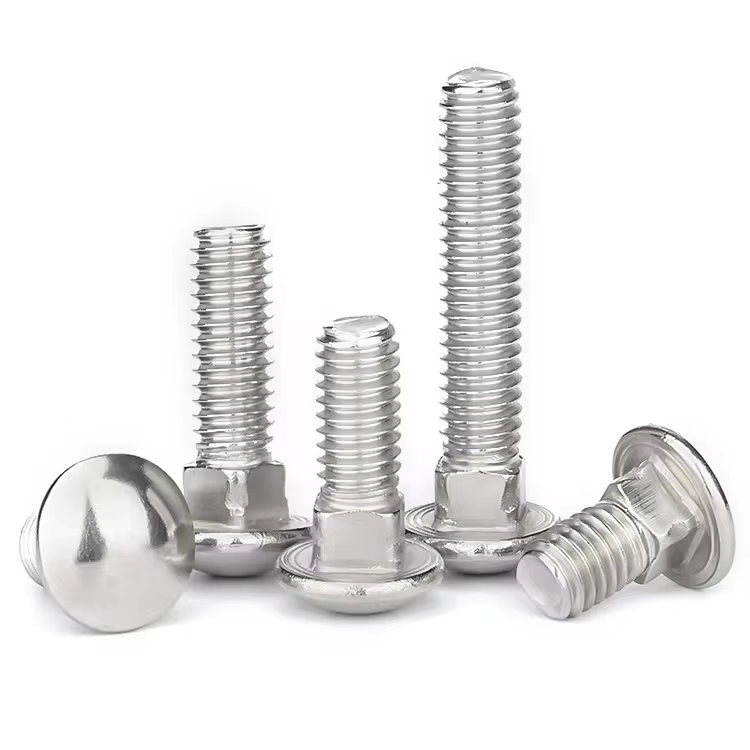
Material Composition of A325 Type 1 Bolts
What Materials Are A325 Type 1 Bolts Made From?
A325 Type 1 bolts are primarily made from carbon steel, which is known for its strength and durability. This material is ideal for structural applications due to its ability to withstand significant loads. In some cases, alloy steel may also be used for enhanced performance in demanding environments.
Stainless steel options exist as well, providing excellent corrosion resistance. These materials are particularly useful in environments where moisture or chemicals are present. Here’s a quick overview of the materials:
Material Type | Key Features |
Carbon Steel | High strength, cost-effective |
Alloy Steel | Enhanced strength, better toughness |
Stainless Steel | Corrosion-resistant, durable |
Discussion on Material Properties and Suitability for Various Environments
The material properties of A325 Type 1 bolts significantly influence their performance. Carbon steel bolts are strong and reliable, making them suitable for most construction applications. However, they may not perform well in corrosive environments without protective coatings.
Alloy steel bolts offer improved toughness, which is beneficial in applications subject to high stress. On the other hand, stainless steel bolts excel in environments where exposure to moisture and chemicals is common, ensuring longevity and reliability.
What Are the Chemical Properties of A325 Type 1 Bolts?
The chemical composition of A325 Type 1 bolts is crucial for their performance. Here’s a breakdown of the typical chemical elements found in these bolts:
Element | Percentage Range |
Carbon (C) | 0.25 - 0.29% |
Manganese (Mn) | 0.60 - 0.90% |
Phosphorus (P) | ≤ 0.04% |
Sulfur (S) | ≤ 0.05% |
Silicon (Si) | 0.15 - 0.40% |
Boron (B) | 0.001 - 0.005% |
Importance of These Properties in Performance and Durability
Each of these chemical properties plays a vital role in the overall performance and durability of A325 Type 1 bolts. For instance, carbon content affects hardness and strength, while manganese enhances toughness. Low levels of phosphorus and sulfur are critical to prevent brittleness, ensuring that the bolts can endure heavy loads without failing.
Understanding these material properties helps engineers choose the right bolts for specific applications, ensuring safety and structural integrity in construction projects. The right material composition leads to better performance in various environments, making A325 Type 1 bolts a reliable choice in the construction industry.
Mechanical Properties of A325 Type 1 Bolts
What Are the Mechanical Performance Requirements?
A325 Type 1 bolts must meet specific mechanical performance requirements to ensure their effectiveness as structural bolts. The key specifications include tensile strength and yield strength, which are critical for determining how much load a bolt can handle before failing.
● Tensile Strength: For A325 Type 1 bolts, the minimum tensile strength is typically around 120,000 psi. This means they can withstand significant pulling forces without breaking.
● Yield Strength: The yield strength is equally important, with a minimum requirement of 58,000 psi. This indicates the point at which the bolt will deform permanently under load.
When comparing imperial and metric specifications, it’s essential to note that while imperial measurements are common in the U.S., metric specifications are increasingly used in global construction projects. Understanding both systems helps ensure that bolts meet the necessary standards regardless of location.
Specification Type | Imperial (psi) | Metric (MPa) |
Tensile Strength | 120,000 | 827 MPa |
Yield Strength | 58,000 | 400 MPa |
What Hardness Levels Are Required for A325 Type 1 Bolts?
Hardness is another crucial mechanical property for A325 Type 1 bolts, influencing their performance in structural applications. The required hardness levels can vary, but they typically fall within a specific range. Hardness testing methods, such as Brinell and Rockwell, are commonly used to assess this property.
● Brinell Hardness Test: This method involves pressing a hard steel or carbide ball into the surface of the bolt and measuring the indentation. It provides a good indication of material hardness.
● Rockwell Hardness Test: This test measures the depth of penetration of an indenter under a large load compared to the penetration made by a preload. It’s faster and often preferred for metals.
Understanding the importance of hardness in structural applications cannot be overstated. Harder bolts are generally more resistant to wear and deformation under load, making them suitable for high-stress environments.
Hardness Testing Method | Description | Typical Hardness Range |
Brinell | Measures indentation from a ball | 250 - 300 HB |
Rockwell | Measures depth of indenter penetration | HRC 25 - 35 |
These mechanical properties, including tensile strength, yield strength, and hardness, are essential for ensuring the reliability and safety of A325 Type 1 bolts in various structural applications. By adhering to these specifications, engineers can confidently use these bolts in demanding construction projects.
Coatings and Corrosion Resistance
What Coatings Are Available for A325 Type 1 Bolts?
A325 Type 1 bolts often require coatings to enhance their performance, particularly regarding corrosion resistance. Two popular coating options are hot-dip galvanizing and Xylan coatings. Both methods provide distinct advantages in protecting structural bolts from harsh environmental conditions.
● Hot-Dip Galvanizing: This process involves immersing the bolts in molten zinc, creating a thick, durable layer of zinc coating. This layer acts as a barrier, preventing moisture and corrosive substances from reaching the steel underneath. It’s particularly effective for outdoor applications where exposure to rain and humidity is common.
● Xylan Coatings: Xylan is a type of fluoropolymer coating that offers excellent chemical resistance and low friction properties. This coating is typically applied through a spray or dip process, forming a thin layer that provides protection against corrosion while also reducing wear and tear. It’s ideal for applications where bolts may be subject to chemicals or extreme temperatures.
Coating Type | Application Method | Key Benefits |
Hot-Dip Galvanizing | Immersion in molten zinc | Excellent corrosion resistance, thick barrier |
Xylan Coatings | Spray or dip application | Chemical resistance, low friction |
How Does Corrosion Affect Structural Bolts?
Corrosion can be a significant concern for structural bolts, impacting their integrity and performance over time. Various environmental factors contribute to the rate of corrosion, including moisture, temperature, and exposure to chemicals. Understanding these influences is crucial for selecting the right coating.
For instance, in coastal areas where saltwater is prevalent, corrosion can rapidly deteriorate uncoated bolts. This deterioration can lead to structural failures if not addressed. Therefore, it’s essential to choose a coating that can withstand specific environmental conditions.
Additionally, the choice of coating can affect how long a bolt lasts in service. Coatings like hot-dip galvanizing provide robust protection, while Xylan offers versatility in more specialized environments.
Environmental Factor | Impact on Corrosion Rate |
Moisture | Increases corrosion risk significantly |
Temperature | High temps can accelerate corrosion |
Chemical Exposure | Specific chemicals can cause rapid degradation |
Selecting the right coating for A325 Type 1 bolts is not just about enhancing appearance; it’s about ensuring long-term reliability and safety in structural applications. By considering environmental factors and the specific needs of the project, we can make informed decisions that protect these critical components.
Specifications and Standards
What Are the Relevant Standards for A325 Type 1 Bolts?
A325 Type 1 bolts are governed by specific standards to ensure their reliability and performance in structural applications. The primary standard is ASTM A325/A325M, which outlines the requirements for these structural bolts. This standard includes specifications for materials, mechanical properties, and testing methods, ensuring that each bolt meets stringent quality criteria.
● ASTM A325/A325M Overview: This standard covers the specifications for high-strength bolts used in structural steel connections. It includes detailed guidelines on the chemical composition, tensile strength, and yield strength of the bolts. Compliance with these standards is crucial for engineers and manufacturers, as it guarantees that the bolts will perform as expected under load.
Specification Aspect | Details |
Material | Carbon steel or alloy steel |
Minimum Tensile Strength | 120,000 psi (827 MPa) |
Yield Strength | 58,000 psi (400 MPa) |
Importance of Compliance with Industry Standards
Adhering to industry standards like ASTM A325/A325M is vital for ensuring safety and performance in construction projects. These standards provide a benchmark for quality, helping to prevent failures that could arise from using subpar materials. When A325 Type 1 bolts are used in critical applications, compliance ensures that they will withstand the forces they encounter over time.
Moreover, industry standards help unify practices across different manufacturers, making it easier for engineers to specify and source the right components for their projects. This consistency is essential in maintaining the structural integrity of buildings and bridges.
How Do A325 Type 1 Bolts Differ from Other Types?
When comparing A325 Type 1 bolts to other types, such as A325 Type 3 and Grade 8 bolts, several key differences emerge.
● Comparison with A325 Type 3: A325 Type 3 bolts are designed for more demanding environments, featuring additional corrosion resistance. They are often used in applications where exposure to moisture or chemicals is a concern. In contrast, A325 Type 1 bolts are suitable for general structural applications.
● Grade 8 Bolts: These bolts are made from a different material and have higher tensile strength than A325 Type 1 bolts. Grade 8 bolts are typically used in heavy-duty applications, such as automotive and machinery, where extreme loads are common.
Bolt Type | Key Features | Typical Applications |
A325 Type 1 | Standard high-strength, general use | Structural connections |
A325 Type 3 | Enhanced corrosion resistance | Marine, chemical environments |
Grade 8 | Higher tensile strength, more robust | Heavy machinery, automotive |
By understanding these differences, engineers can select the appropriate bolt type for their specific applications, ensuring optimal performance and safety in structural projects. Each type serves its purpose, and knowing when to use each is critical for successful engineering outcomes.
Installation and Usage Guidelines
What Are the Best Practices for Installing A325 Type 1 Bolts?
Installing A325 Type 1 bolts correctly is crucial for ensuring the strength and reliability of structural connections. Following best practices during installation helps prevent failures and extends the life of the structure. One effective method is using tension-controlled installation techniques, which provide precise control over the bolt tension.
● Overview of Tension-Controlled Installation Methods: This method involves using a special wrench that measures the tension applied to the bolt. By monitoring the tension, installers can ensure that the bolt reaches the required clamping force. This technique is particularly useful for high-strength bolts, as it minimizes the risk of under-tightening or over-tightening.
● Importance of Using the Correct Torque Settings: Each A325 Type 1 bolt has specific torque requirements defined by the manufacturer. Using the correct torque settings is essential for achieving the desired tension without damaging the bolt or the connected materials. Incorrect torque can lead to joint failure, so it’s vital to consult the specifications before installation.
Bolt Size | Recommended Torque (ft-lbs) |
1/2" | 75-90 |
5/8" | 130-150 |
3/4" | 210-250 |
What Are the Common Mistakes to Avoid During Installation?
Avoiding common installation mistakes is key to maintaining structural integrity. Many errors can compromise the performance of A325 Type 1 bolts, leading to potential safety hazards.
● Discussion on Installation Errors: One frequent mistake is failing to properly clean the bolt threads and the mating surfaces before installation. Contaminants like dirt or grease can interfere with the bolt's ability to achieve the necessary tension. Additionally, using the wrong tools or equipment can result in improper installation, affecting the bolt's performance.
● Tips for Ensuring Proper Installation and Maintenance: To ensure a successful installation, always verify that the bolts are free of defects before use. It’s also helpful to use a calibrated torque wrench for accurate measurements. Regular inspections can identify any signs of wear or loosening, allowing for timely maintenance.
Installation Tip | Description |
Clean Surfaces | Ensure all surfaces are clean and free from debris. |
Use Calibrated Tools | Always use calibrated torque wrenches for accuracy. |
Regular Inspections | Schedule periodic inspections to check for wear. |
By adhering to these guidelines and avoiding common pitfalls, we can ensure that A325 Type 1 bolts perform effectively in their intended applications. Proper installation not only enhances the safety of the structure but also contributes to its longevity.
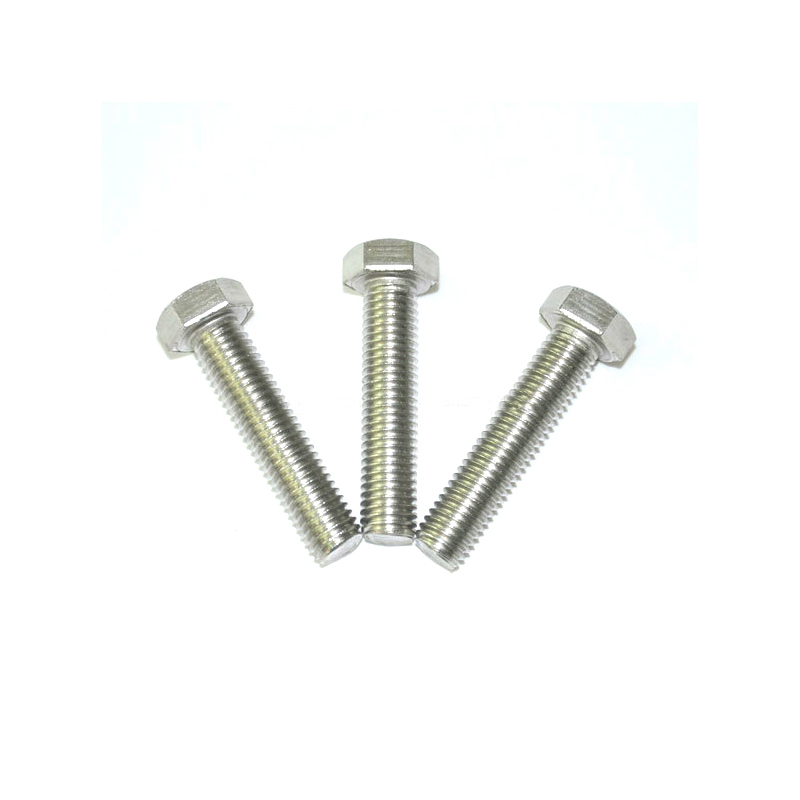
Advantages of A325 Type 1 Bolts
What Are the Key Advantages of Using A325 Type 1 Bolts?
A325 Type 1 bolts offer several advantages, making them a preferred choice for many structural applications. Their design and manufacturing processes ensure that they meet high standards of quality and performance.
● Quality Certifications and Testing: One of the key benefits of A325 Type 1 bolts is their compliance with international quality standards, such as ISO 9001:2015. This certification guarantees that the manufacturing processes adhere to strict quality management principles. Regular testing ensures that each bolt meets the required mechanical properties, providing peace of mind for engineers and builders.
● High Production Capacity and Efficiency: A325 Type 1 bolts are produced in large quantities, which enhances efficiency and reduces lead times for bulk orders. This production capability allows suppliers to meet the demands of large projects without compromising on quality. The ability to quickly supply these bolts helps keep construction schedules on track.
Advantage | Description |
ISO Compliance | Ensures high quality and reliability. |
Efficient Bulk Production | Fast delivery for large orders. |
Rigorous Quality Testing | Each bolt undergoes stringent testing processes. |
● Customization Options: Another significant advantage is the availability of customization options. Depending on project requirements, A325 Type 1 bolts can be tailored in terms of size, length, and coating. This flexibility allows engineers to specify exactly what they need for their unique projects, ensuring optimal performance in various environments.
How Do A325 Type 1 Bolts Provide Cost-Effectiveness?
Cost-effectiveness is a crucial consideration for any construction project, and A325 Type 1 bolts excel in this area as well.
● Discussion on Competitive Pricing: The large-scale production of A325 Type 1 bolts contributes to competitive pricing. Manufacturers can leverage economies of scale, which lowers production costs. This pricing advantage makes it easier for contractors to stay within budget while still using high-quality materials.
● Long-Term Value: Beyond initial costs, A325 Type 1 bolts offer long-term value in terms of safety and durability. Their robust construction and resistance to various environmental factors mean they can withstand the test of time. Investing in quality bolts reduces the likelihood of failures or repairs down the line, ultimately saving money over the life of the structure.
Cost-Effectiveness Aspect | Benefits |
Competitive Pricing | Lower costs due to bulk production. |
Long-Term Durability | Reduced maintenance and replacement costs. |
Enhanced Safety | Fewer failures lead to greater structural integrity. |
By understanding these advantages, we can see why A325 Type 1 bolts are a popular choice in the construction industry. Their combination of quality, efficiency, and cost-effectiveness makes them an ideal option for a wide range of structural applications.
FAQ
Q: What is the price range for A325 Type 1 bolts?
A: The price of A325 Type 1 bolts typically varies based on material, coating, and quantity ordered. Bulk purchases often yield lower per-unit costs.
Q: Where can I purchase A325 Type 1 bolts?
A: A325 Type 1 bolts can be purchased from various suppliers and distributors, including hardware stores and specialized bolt manufacturers. Look for suppliers with good reviews and a wide selection.
Q: Are there custom options available for A325 Type 1 bolts?
A: Yes, A325 Type 1 bolts can be customized in terms of sizes and coatings to meet specific project needs. Tailored solutions enhance performance in unique applications.
Conclusion
Choosing A325 Type 1 bolts for structural projects is a smart decision. They offer high quality, efficiency, and customization options. Their compliance with ISO standards ensures reliability and safety.
With competitive pricing and long-term durability, A325 Type 1 bolts provide excellent value. Consider using these bolts in your future projects for optimal performance and peace of mind.


