Have you ever wondered how buildings stay standing? Bolts play a crucial role in construction and engineering.
In this article, we’ll explore the differences between structural and non-structural bolts. Understanding these distinctions is vital for safety and compliance in any project.
You’ll learn about their characteristics, applications, and why choosing the right type is essential.
Understanding Bolts in Construction
What Are Bolts?
Bolts are essential fasteners used to join two or more components together. They consist of a cylindrical shaft with a head at one end and a threaded section on the other. This design allows for secure connections, making them vital in construction and engineering applications.
There are various types of bolts, each serving a specific purpose. For example, hex bolts are commonly used in heavy-duty applications, while carriage bolts are ideal for wood connections. Here’s a quick overview of some common bolt types:
Bolt Type | Description | Common Uses |
Hex Bolt | A six-sided head for wrench tightening. | Machinery, structural work. |
Carriage Bolt | Rounded head with a square neck. | Wood connections, furniture. |
Lag Bolt | A large, heavy-duty bolt for wood. | Decking, heavy timber. |
Shoulder Bolt | Features a shoulder for precise alignment. | Pivoting applications. |
The Importance of Choosing the Right Bolt
Selecting the correct bolt is crucial for ensuring structural integrity. The right bolt can support the required loads and withstand environmental factors, while the wrong choice may lead to failures. For instance, using a non-structural bolt in a load-bearing application can compromise safety.
When choosing bolts, consider the following factors:
● Load Requirements: Understand the weight and forces acting on the connection.
● Material Compatibility: Ensure the bolt material matches the components being fastened to avoid corrosion.
● Environmental Conditions: Assess if the bolt will be exposed to moisture, chemicals, or extreme temperatures.
Using incorrect bolts can lead to significant risks, including structural failure, costly repairs, and safety hazards. For example, if a bolt fails in a bridge, it could result in catastrophic consequences. Therefore, it’s essential to consult guidelines and standards when selecting bolts for any construction project.
In summary, understanding the role of bolts and choosing the right type is fundamental to the success of any construction endeavor.
What is a Structural Bolt?
Definition and Purpose
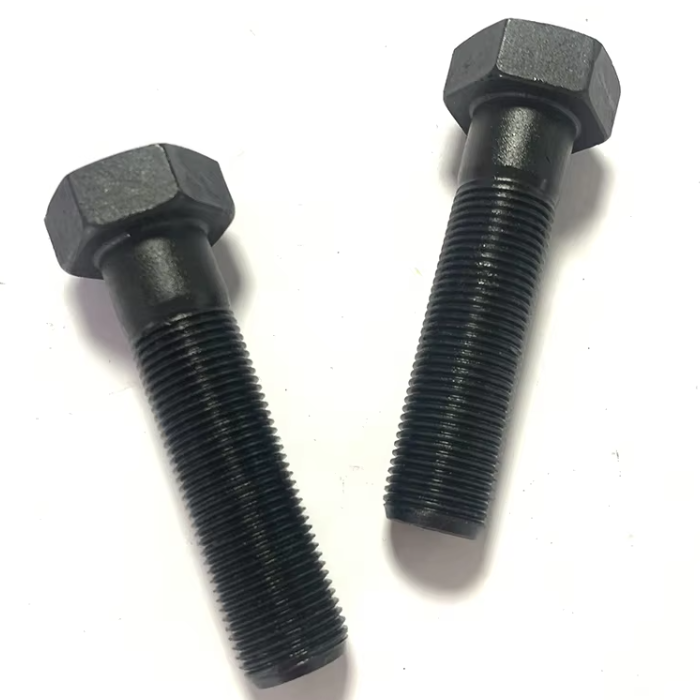
Structural bolts are heavy-duty fasteners specifically designed for use in load-bearing applications. They play a critical role in holding together structural components of buildings, bridges, and other constructions where strength and stability are paramount. Unlike non-structural bolts, structural bolts are engineered to withstand significant forces and loads, ensuring the integrity of the structures they support.
These bolts are essential in various applications, including the assembly of steel frames and connections in heavy machinery. Their primary function is to transfer loads between different structural elements, making them a key component in maintaining safety and durability in construction projects.
Key Characteristics of Structural Bolts
Material Composition: Structural bolts are typically made from high-strength materials such as carbon steel and alloy steel. These materials are chosen for their ability to withstand high levels of stress and their overall durability. Alloy steels, for instance, often contain elements like chromium and molybdenum, enhancing their strength and toughness.
Strength Ratings: Structural bolts come in various strength grades, such as 10.9 and 12.9. These ratings indicate the bolt's tensile strength, measured in megapascals (MPa). A grade 10.9 bolt can handle loads up to 1,000 MPa, making it suitable for demanding applications where high strength is required.
Strength Grade | Tensile Strength (MPa) | Common Uses |
10.9 | 1,000 | Steel structures, bridges. |
12.9 | 1,200 | Heavy machinery, critical connections. |
Standards and Certifications: Compliance with industry standards is crucial for structural bolts. They must meet specifications set by organizations such as ASTM and ISO to ensure quality and reliability. These standards cover aspects like material properties, dimensions, and manufacturing processes, ensuring that the bolts perform as expected in structural applications.
Surface Treatments: To enhance corrosion resistance, structural bolts often undergo surface treatments like hot-dip galvanizing. This process involves coating the bolts in zinc, providing a protective layer that prevents rust and degradation over time. Such treatments are particularly important in outdoor applications or environments exposed to moisture.
Applications of Structural Bolts
Structural bolts are widely used in various construction projects, including bridges, buildings, and heavy machinery. Their strength and reliability make them ideal for critical applications where safety is a top priority. For example, in bridge construction, these bolts connect beams and girders, ensuring the structure can support heavy traffic loads.
Here are some common applications:
● Bridges: Structural bolts are essential in connecting steel components, providing the necessary strength to support vehicles and pedestrians.
● Buildings: In skyscrapers and commercial buildings, these bolts secure the steel framework, maintaining structural integrity against wind and seismic forces.
Case Studies: A notable example is the construction of the Golden Gate Bridge, where structural bolts were crucial in assembling the steel framework. The use of high-strength bolts ensured the bridge could withstand strong winds and heavy traffic. Another case involved a high-rise building in New York City, where structural bolts facilitated the rapid assembly of the steel skeleton, showcasing their effectiveness in modern construction.
What is a Non-Structural Bolt?
Definition and Purpose
Non-structural bolts are fasteners designed for applications where they do not bear significant loads. Unlike structural bolts, which are critical for the integrity of heavy structures, non-structural bolts serve a different purpose. They are primarily used in situations that require secure fastening without the need for high strength. These bolts are ideal for applications like furniture assembly, where components need to be held together but do not support substantial weight.
Their main function is to connect parts in non-load-bearing applications, ensuring stability and functionality. For instance, they may be used to attach decorative fixtures or secure lightweight components in various products, providing a reliable connection without the risks associated with load-bearing scenarios.
Key Characteristics of Non-Structural Bolts
Material Composition: Typically, non-structural bolts are made from standard carbon steel. This material is cost-effective and sufficient for applications where high strength is not required. Some manufacturers may also use stainless steel for environments where corrosion resistance is necessary, such as in kitchens or bathrooms.
Strength Ratings: Non-structural bolts are classified into lower strength grades, such as 4.8 and 6.8. These grades indicate their tensile strength, measured in megapascals (MPa). For example, a grade 4.8 bolt can handle loads up to 400 MPa, making it suitable for light-duty applications.
Strength Grade | Tensile Strength (MPa) | Typical Applications |
4.8 | 400 | Furniture, light fixtures. |
6.8 | 600 | Decorative elements, cabinetry. |
Standards and Certifications: While non-structural bolts may not face the same rigorous standards as structural bolts, they still need to comply with basic industry requirements. Compliance with standards such as ISO and ASTM ensures that these bolts are manufactured to acceptable quality levels, providing assurance of their reliability in intended uses.
Design Features: The design of non-structural bolts often differs from structural bolts in several ways. They typically have simpler head designs and may feature shallower threads, making them easier to install in applications where high strength is unnecessary. These design differences allow for versatility while maintaining functionality.
Applications of Non-Structural Bolts
Non-structural bolts find common usage in various sectors, especially in construction and manufacturing. They are essential in assembling furniture, where they provide adequate support without the need for heavy-duty fasteners. Additionally, these bolts are often used in decorative applications, securing items like wall art or light fixtures, where aesthetics are important.
Some typical applications include:
● Furniture Assembly: These bolts are crucial for connecting components in items like tables and chairs, allowing for easy disassembly and reconfiguration.
● Decorative Fixtures: Non-structural bolts secure light fixtures and other ornamental elements, ensuring they remain in place without requiring stronger fasteners.
Case Studies: One notable project involved a modular furniture line where non-structural bolts enabled quick assembly and disassembly, enhancing customer convenience. Another example is a public art installation that utilized non-structural bolts to attach decorative panels securely, demonstrating their impact on both functionality and visual appeal. In these cases, the use of non-structural bolts effectively balanced strength and design, showcasing their versatility in practical applications.
Structural vs Non-Structural Bolts: A Comparative Analysis
Core Differences
Functionality: The primary distinction between structural and non-structural bolts lies in their functionality. Structural bolts are designed for load-bearing applications, providing essential support in construction projects like bridges and buildings. They must withstand significant forces and ensure the overall stability of structures. In contrast, non-structural bolts serve non-load-bearing roles, often used in furniture assembly or decorative fixtures. Their purpose is to connect components without bearing heavy loads, making them suitable for lighter applications.
Material and Strength: When it comes to material composition, structural bolts are typically made from high-strength materials like alloy steel, which can endure high stress levels. Non-structural bolts, however, are often crafted from standard carbon steel, which is adequate for their intended uses but lacks the same strength. The strength ratings also differ significantly; structural bolts may have grades like 10.9 or 12.9, while non-structural bolts are rated lower, such as 4.8 or 6.8.
Bolt Type | Material Composition | Common Strength Grades | Typical Applications |
Structural Bolt | Alloy Steel | 10.9, 12.9 | Bridges, heavy machinery |
Non-Structural Bolt | Carbon Steel | 4.8, 6.8 | Furniture, decorative items |
Standards and Compliance: Structural bolts are subject to stringent certification and testing requirements, ensuring they meet high safety standards. Compliance with ASTM, ISO, and other relevant standards is crucial for these bolts, as they are integral to the safety of load-bearing structures. Non-structural bolts, while still needing to meet basic industry standards, face less rigorous testing. Their applications do not typically require the same level of scrutiny, allowing for more flexibility in manufacturing.
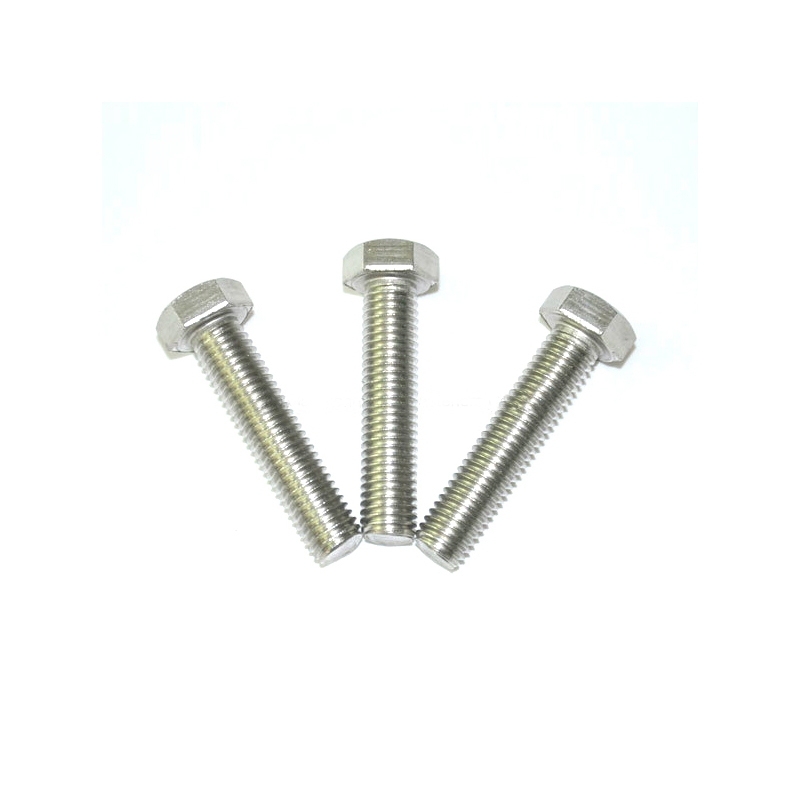
Design Features: The design elements of structural and non-structural bolts also differ significantly. Structural bolts often feature larger heads and deeper threads to enhance grip and load distribution. Non-structural bolts may have simpler designs, with shallower threads and smaller heads, making them easier to install in lightweight applications. These differences reflect their respective roles in various settings.
Thread Types: Another key difference lies in the thread types used in these bolts. Structural bolts usually employ full-thread designs, ensuring maximum strength and load distribution across the entire length of the bolt. Non-structural bolts may use half-thread designs, which are sufficient for their applications, allowing for easier assembly and disassembly in furniture and fixtures.
Failure Impact
The potential consequences of failure in structural versus non-structural bolts can be significant. A failure in a structural bolt can lead to catastrophic results, such as building collapses or bridge failures, posing serious risks to safety. For instance, the collapse of a pedestrian bridge in the past was attributed to inadequate structural bolts, highlighting the critical nature of proper fastening in load-bearing applications.
In contrast, while the failure of non-structural bolts may not have life-threatening implications, it can still lead to functional issues. For example, a loose bolt in a piece of furniture can cause instability or breakage, leading to inconvenience or injury.
Real-World Examples: One infamous case involved the Tacoma Narrows Bridge, which collapsed due to design flaws and inadequate fastening, including structural bolts. This incident emphasized the importance of using the correct type of bolt and adhering to safety standards. On the other hand, a furniture recall due to faulty non-structural bolts illustrates how even minor failures can impact consumer safety and product reliability.
Maintenance and Inspection: Regular maintenance and inspection are crucial for both types of bolts. For structural bolts, periodic checks can prevent catastrophic failures and ensure ongoing safety. In non-structural applications, routine inspections can help identify loose bolts, preventing minor issues from escalating. Implementing a maintenance schedule tailored to the specific requirements of each bolt type can significantly enhance safety and functionality in various applications.
Choosing the Right Bolt for Your Project
Factors to Consider
Load Requirements: Understanding the load-bearing needs of your project is crucial when selecting the right bolt. Start by assessing the weight and forces that the structure or assembly will experience. For instance, if you're working on a building framework, structural bolts with high strength ratings are necessary to handle significant loads. Conversely, for lighter applications like furniture assembly, non-structural bolts may suffice. Consider consulting load charts or engineering guidelines to determine the appropriate specifications for your project.
Environmental Conditions: The environment where the bolts will be used plays a vital role in your selection process. Factors such as humidity, temperature, and exposure to chemicals can affect the performance of the bolts. For example, if your project is located in a coastal area with high salt exposure, choosing bolts with corrosion-resistant coatings or materials, such as stainless steel, is essential. Additionally, understanding how temperature fluctuations might impact the materials can help ensure longevity and reliability.
Regulatory Compliance: Different applications require adherence to specific certifications and standards. Structural bolts often need to comply with rigorous safety regulations such as ASTM or ISO standards, ensuring they meet performance criteria. Non-structural applications, while less stringent, still require basic compliance to ensure safe use. It's important to research the necessary certifications for your project to avoid legal issues and ensure safety.
Application Type | Typical Standards | Compliance Importance |
Structural | ASTM A325, A490 | Critical for safety and performance |
Non-Structural | ISO 898-1 | Ensures basic quality and reliability |
Customization Options: Depending on the specific needs of your project, customization may be necessary. This includes modifications to dimensions, thread types, and surface treatments. For example, if you're working in a specialized environment, you might need bolts with specific coatings to enhance corrosion resistance. Additionally, custom threads can improve the fit and performance in unique applications. Many manufacturers offer options for customization, allowing you to tailor bolts to meet your exact requirements.
Consulting with Experts
Seeking professional advice when selecting bolts can save you time and ensure the success of your project. Engineers and industry professionals can provide insights into the best materials and specifications based on your specific needs. They can also help you understand the implications of using the wrong type of bolt, which could lead to safety hazards or project delays.
To find qualified professionals, consider reaching out to local engineering firms or construction consultants. Online resources, such as professional networks and trade associations, can also connect you with experts in the field. Engaging with knowledgeable individuals ensures that you make informed decisions, ultimately leading to a more successful project outcome. Don't hesitate to ask for recommendations or consult industry-specific forums for additional guidance.
Conclusion
Structural bolts are designed for load-bearing applications, while non-structural bolts serve lighter roles. Choosing the right bolt is crucial for safety and regulatory compliance.
Always prioritize safety and quality in your construction projects. Explore various bolt options and consult with experts to ensure the best choices for your needs.


