Have you ever wondered why the right bolt matters? Choosing the correct fastener can greatly impact your project's success.
In this article, we’ll explore the differences between Grade 8 bolts and structural bolts. You’ll learn their definitions, applications, and why selecting the right type is crucial for safety and performance.
Understanding Grade 8 Bolts
What are Grade 8 Bolts?
Grade 8 bolts are high-strength fasteners commonly used in various applications. They are manufactured according to strict standards, specifically SAE J429, which ensures their reliability and performance. This grade of bolt is particularly known for its ability to withstand heavy loads, making it a popular choice in the automotive and machinery sectors.
Common Applications:
● Automotive Industry: Grade 8 bolts are often used in engine components and suspension systems, where durability is crucial.
● Machinery: These bolts are essential in heavy machinery, providing the necessary strength to maintain structural integrity under stress.
Key Characteristics of Grade 8 Bolts
Material Composition: Grade 8 bolts are typically made from medium carbon alloy steel. This material choice contributes to their strength and durability, allowing them to perform well in demanding environments.
Strength Ratings: When discussing strength, two key terms come into play: tensile strength and yield strength. Grade 8 bolts boast a tensile strength of approximately 150 ksi (kilo-pounds per square inch) and a yield strength of about 130 ksi. These ratings indicate their ability to resist deformation and failure, making them suitable for high-stress applications.
Design Features of Grade 8 Bolts
Head Design and Threading: The design of Grade 8 bolts includes various head types, such as hex and square heads, which facilitate easy installation and removal. Additionally, they come in different threading options, including full-threaded and partial-threaded designs. Full-threaded bolts provide a greater surface area for grip, while partial-threaded bolts are often used when less thread engagement is needed.
Head Type | Description | Common Uses |
Hex | Standard shape for wrenches | General applications |
Square | Provides better grip for tools | Heavy machinery applications |
Round | Aesthetic and low-profile design | Decorative applications |
Applications of Grade 8 Bolts
Common Uses: Grade 8 bolts find their place in various non-structural settings. For instance, they are frequently used in automotive engines, where their strength is vital for holding components together under high pressure. Additionally, they are employed in heavy machinery, ensuring that parts remain securely fastened during operation.
Advantages of Using Grade 8 Bolts: One of the primary advantages of Grade 8 bolts is their cost-effectiveness. They are widely available, making them an economical choice for many projects. Furthermore, their high strength makes them suitable for various industrial applications, ensuring safety and reliability in critical environments. This combination of factors has made Grade 8 bolts a preferred option in many industries.
Understanding Structural Bolts
What are Structural Bolts?
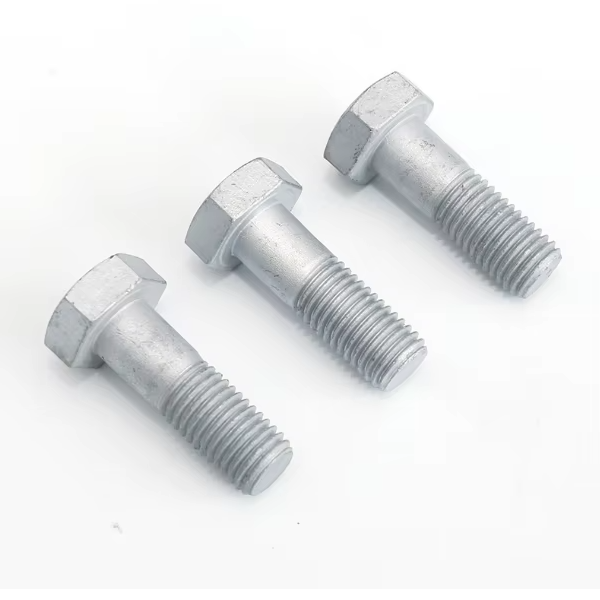
Structural bolts are essential fasteners designed for use in construction and heavy-duty applications. Their primary purpose is to connect structural components, ensuring stability and strength in buildings and bridges. These bolts are manufactured according to strict standards, notably ASTM A325 and A490, which dictate their specifications and performance criteria.
Standards and Specifications:
● ASTM A325: Commonly used for general structural applications, rated at 120 ksi.
● ASTM A490: Designed for high-strength applications, rated at 150 ksi, making it suitable for more demanding environments.
Key Characteristics of Structural Bolts
Material Composition and Strength: Structural bolts are typically made from carbon steel or alloy steel. These materials provide the necessary strength and durability required in construction projects. The strength ratings are crucial, as they indicate how much load the bolts can bear without failure.
Standard | Material | Strength Rating |
A325 | Carbon Steel | 120 ksi |
A490 | Alloy Steel | 150 ksi |
Design Features of Structural Bolts
Head Design and Threading: Structural bolts often feature a heavy hex head design, which enhances grip and torque during installation. This design is not just about aesthetics; it plays a vital role in load distribution and stress management. The heavy hex head allows for better engagement with tools, ensuring a secure fit.
Importance of Design: The unique design of structural bolts helps manage stress more effectively, preventing failure under heavy loads. This is particularly important in applications where safety is a concern, such as in bridges and tall buildings.
Applications of Structural Bolts
Common Uses: Structural bolts are widely used in various construction projects, including:
● Bridges: They provide the necessary strength to withstand dynamic loads and environmental factors.
● Buildings: Used to secure beams and columns, ensuring the overall integrity of the structure.
Advantages of Using Structural Bolts: One of the key advantages of structural bolts is their enhanced safety. They are specifically designed to meet building codes, ensuring compliance and reliability. Additionally, their strength makes them ideal for heavy load-bearing applications, providing peace of mind for engineers and builders alike.
Key Differences Between Grade 8 and Structural Bolts
Comparison of Strength and Material
When comparing Grade 8 bolts and structural bolts, one of the most significant factors is their strength ratings. Grade 8 bolts are designed for high-strength applications, while structural bolts are specifically engineered for heavy-duty construction.
Bolt Type | Tensile Strength | Yield Strength |
Grade 8 | 150 ksi | 130 ksi |
Structural A325 | 120 ksi | 82 ksi |
Structural A490 | 150 ksi | 130 ksi |
As shown in the table, both Grade 8 and structural bolts can reach similar tensile strengths under certain conditions. However, structural bolts are often preferred in construction due to their design and compliance with industry standards.
Design and Application Differences
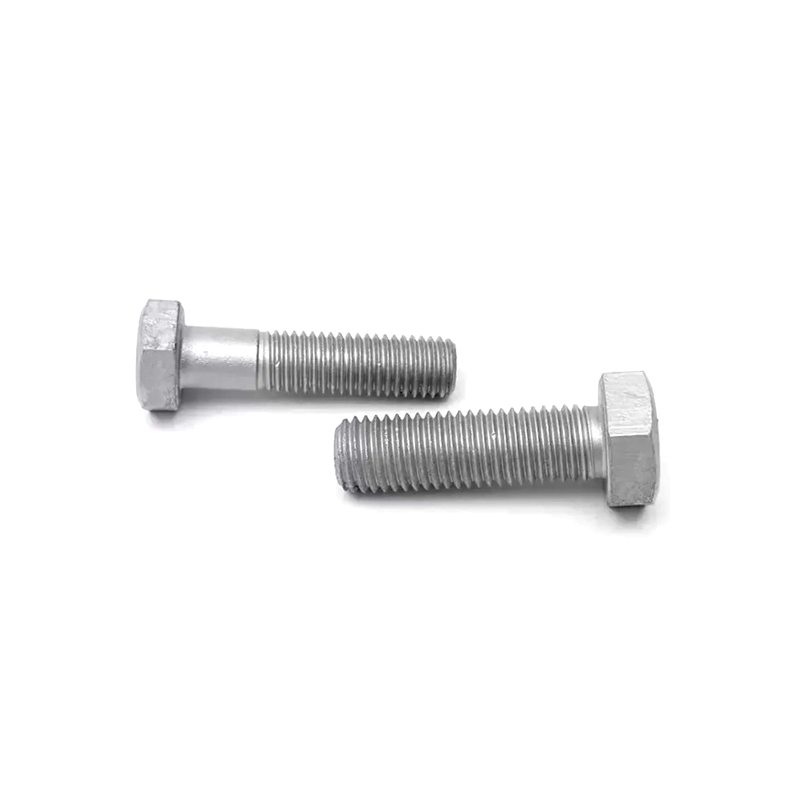
Head Design and Size: The design of these bolts plays a crucial role in their performance. Grade 8 bolts generally feature a standard hex head, while structural bolts utilize a heavy hex head design. This design difference enhances the ability to apply torque and ensures better load distribution in structural applications.
● Grade 8 Bolts: Standard hex head, suitable for general use.
● Structural Bolts: Heavy hex head, optimized for load-bearing applications.
The size and shape of structural bolts facilitate better engagement with tools, which is essential for ensuring tight connections in critical structures.
Compliance and Testing Standards
Quality Assurance: Structural bolts undergo more rigorous testing compared to Grade 8 bolts. Compliance with standards such as ASTM A325 and A490 requires extensive testing for slip resistance and durability. These tests ensure that structural bolts can withstand the demands of heavy loads and environmental factors.
● Grade 8: Generally meets SAE J429 standards but may not undergo the same level of testing for structural integrity.
● Structural Bolts: Subjected to stringent testing protocols, ensuring they meet safety and performance requirements.
Environmental Resistance and Coatings
Surface Treatments: The durability of bolts in various environments is heavily influenced by their surface treatments. Common coatings include hot-dip galvanizing and black oxide, which provide protection against corrosion.
Coating Type | Description | Best For |
Hot-Dip Galvanizing | Zinc coating for corrosion resistance | Outdoor applications |
Black Oxide | Aesthetic finish, mild corrosion protection | Indoor applications |
Understanding these coatings is vital for selecting the right bolt for the job. For instance, hot-dip galvanizing is ideal for outdoor settings where moisture exposure is a concern, while black oxide may suffice for indoor environments where rust is less of an issue. This selection process ensures that the bolts perform well and last longer in their intended applications.
When to Use Grade 8 vs. Structural Bolts
Choosing the Right Bolt for Your Project
Selecting the appropriate bolt for your project is crucial for ensuring safety and performance. Several factors should guide your decision-making process. First, consider the load requirements of your application. Grade 8 bolts are ideal for high-strength applications, such as heavy machinery or automotive uses, where high tensile strength is critical. On the other hand, structural bolts are specifically designed for construction projects, providing the necessary strength and durability for connecting steel beams and other structural components.
Factors to Consider:
● Load Requirements: Assess the maximum load the bolts will need to support. Grade 8 bolts excel in high-stress situations, while structural bolts are engineered for heavy-duty applications.
● Environmental Conditions: Evaluate the environment where the bolts will be used. If exposure to moisture or corrosive substances is a concern, consider the appropriate coatings and materials.
It's essential to match the bolt type with your specific project needs. Using the wrong bolt can lead to serious issues down the line, including structural failures.
Consequences of Incorrect Bolt Selection
Safety Risks: Choosing the incorrect bolt can pose significant safety risks. If a bolt fails due to inadequate strength or improper application, it can compromise the entire structure. For instance, in construction, a failure in a critical connection can lead to catastrophic results, including building collapses or equipment failures.
Case Studies: Several documented failures highlight the importance of correct bolt selection. One notable example is the collapse of a pedestrian bridge where Grade 8 bolts were used instead of structural bolts. The bolts could not withstand the loads, leading to a tragic accident. This case illustrates how vital it is to ensure that the selected bolts meet the specific requirements of the project.
Failure Case | Bolt Type Used | Outcome |
Pedestrian Bridge | Grade 8 | Collapse due to inadequate strength |
Industrial Machinery | Structural Bolt | Successful load management and safety |
In summary, careful selection of Grade 8 versus structural bolts can mean the difference between safety and disaster. Understanding the specific requirements of your project will help ensure that you choose the right fasteners for lasting performance.
Conclusion
In summary, Grade 8 bolts and structural bolts differ significantly in strength, design, and application.
Grade 8 bolts excel in high-stress situations, while structural bolts are designed for heavy-duty construction.
When selecting bolts, consulting with professionals is crucial.
Always prioritize safety and compliance to ensure project success. Making informed choices can prevent failures and enhance structural integrity.


