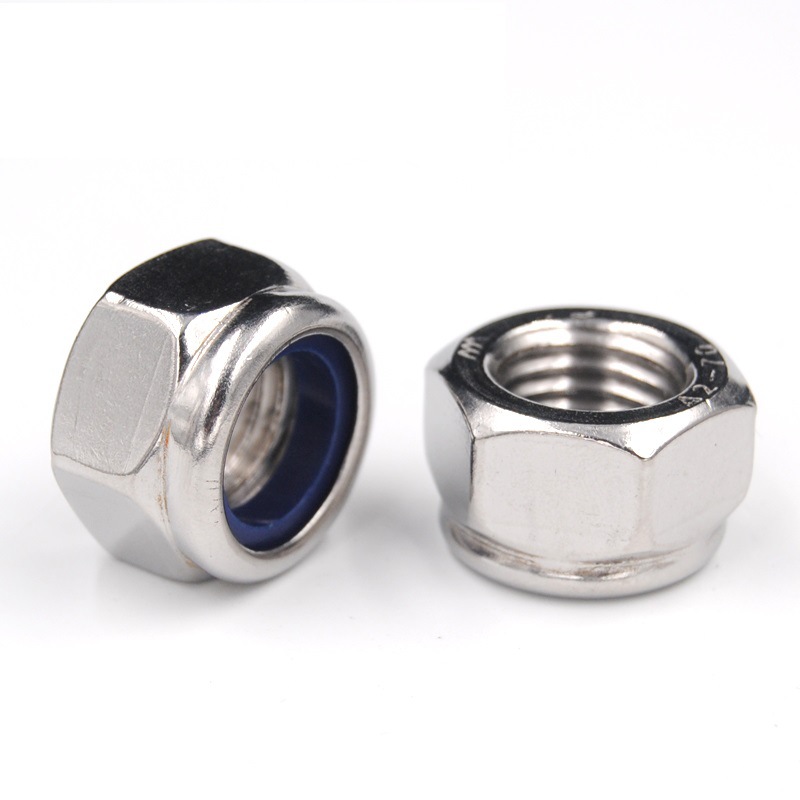
Fastener failure under dynamic load creates a harsh engineering reality. Catastrophic system downtime often follows. Serious safety risks emerge when heavy machinery vibrates loose during operation. Standard nuts secure joints using clamping force alone. They work well for basic, static assemblies. However, specialized environments demand integrated resistance against constant vibration. Extreme thermal cycling also weakens standard joints rapidly. We created this technical evaluation guide to solve these problems. Engineers and procurement teams face tough choices daily. You need to spec the right hardware confidently. This article explores the critical differences between fastener types. You will discover how specific internal mechanisms prevent loosening. We examine performance limits across different industrial applications. You will learn to evaluate fasteners based on physical realities and assembly demands. Read on to build safer, more reliable systems.
Key Takeaways
Mechanics: Regular nuts rely entirely on the friction generated by clamp load; a lock nut incorporates internal mechanisms (like nylon inserts or deformed threads) to actively resist loosening.
Application: Standard nuts are sufficient for static applications. Locking nuts are non-negotiable for high-vibration, high-heat, or dynamic load environments.
Cost vs. Risk: While a locking nut has a higher initial unit cost and slower installation time, it eliminates the need for secondary locking elements (like safety wire or threadlocker) and reduces maintenance liabilities.
Reusability: Many locking fasteners (specifically all-metal variants) are single-use or severely limited in reusability compared to standard fasteners.
The Business and Engineering Problem: Why Standard Fasteners Back Off
Engineers often underestimate the destructive power of transverse vibration. A standard hex nut works flawlessly in a perfectly static environment. It relies entirely on friction to stay in place. This friction exists between the nut face, the joint surface, and the bolt threads. We call this clamp load. When you tighten the assembly, the bolt stretches slightly like a stiff spring. This tension pulls the components together tightly.
Dynamic loads disrupt this delicate balance. Transverse vibration pushes the joint side to side. Thermal cycling causes the metal components to expand and contract at different rates. These microscopic movements cause a momentary loss of friction. Once friction drops, the stretched bolt relaxes. The nut begins to back off the threads. Even a tiny fraction of rotation compromises the entire joint.
Using inadequate fasteners carries immense hidden risks. Equipment damage occurs when loose parts shift out of alignment. Maintenance teams spend countless hours re-torquing bolts. Warranty claims skyrocket when products fail in the field. You must design joints to withstand real-world abuse.
A successful fastening solution meets three strict criteria. First, it must maintain initial clamp load under expected operating stresses. Second, it must resist environmental degradation from heat, moisture, or chemicals. Third, it needs to support efficient assembly processes. We evaluate every fastener choice against these three benchmarks.
Core Mechanics: Clamping Force vs. Prevailing Torque
Understanding fastener mechanics helps you make better engineering decisions. The fundamental difference lies in how a nut engages the bolt threads during installation.
Standard Hex Nuts (Free-Spinning)
Standard fasteners belong to the free-spinning category. You can twist them down the bolt using just your fingers. They spin freely until they seat against the joint surface. They rely strictly on the tension of the stretched bolt. The friction between the bearing surface and the threads holds them tight.
This design offers several practical advantages. Assembly happens quickly on production lines. Workers use standard power tools without complex torque calculations. You can reuse free-spinning fasteners multiple times without damaging the threads. They also represent the lowest unit cost available.
However, free-spinning fasteners share one critical flaw. They offer zero resistance to loosening once the initial clamp load drops. If vibration causes the joint to shift, the fastener fails completely. It simply spins off the bolt.
The Prevailing Torque Nut (Locking)
Engineers solve the loosening problem by altering the internal thread design. A prevailing torque nut features a built-in interference fit. You cannot spin it down by hand. It requires active torque from a wrench to move along the bolt. It demands effort long before it seats against the joint.
This interference creates constant, active friction. The fastener maintains its position even if the primary clamp load disappears. It provides exceptional resistance to severe vibration. The joint remains secure even under heavy dynamic stress.
These benefits come with specific engineering trade-offs. Assembly takes more time. Workers cannot spin them down quickly. You must perform specific torque calculations before installation. The prevailing torque value must be added to your target seating torque. Furthermore, the constant friction generates significant heat. This heat increases the potential for destructive thread galling during assembly.
Evaluating Solution Categories: Types of Lock Nuts
The fastener industry offers two primary solutions for vibration resistance. Each category uses a different method to create prevailing torque. You must match the specific design to your operating environment.
Non-Metallic Insert Nuts (Nyloc)
Non-metallic insert nuts are common across many industries. Most people call them Nyloc nuts. They feature a captive nylon ring located at the top of the fastener. The internal diameter of this ring is slightly smaller than the bolt threads.
As you run the nut down, the bolt threads cut into the nylon. The nylon deforms elastically. It grips the bolt tightly and creates strong prevailing torque. This design works exceptionally well for moderate vibration scenarios.
Nylon inserts offer unique secondary benefits. The compressed nylon forms a tight barrier. It creates an effective environmental seal against moisture. This prevents water from traveling down the thread path. We frequently specify them for automotive and marine applications.
However, nylon has strict physical limitations. It melts or degrades under extreme heat. You should never use them in temperatures exceeding 250°F (121°C). Certain reactive chemicals and solvents will also break down the nylon insert over time. Once the nylon degrades, the fastener loses all vibration resistance.
All-Metal Lock Nuts (Stover, Toplock, Flex-Loc)
Heavy industry requires a more robust solution. All-metal designs eliminate the vulnerable nylon ring. Manufacturers mechanically deform the top threads of the nut during production. This deformation creates an oval or tapered shape at the top.
When the bolt reaches these deformed threads, it forces them back into a circular shape. This intense metal-on-metal interference generates massive friction. We commonly refer to these as Stover, Toplock, or Flex-Loc designs depending on the specific deformation style.
All-metal variants excel in extreme environments. They handle severe, high-frequency vibration easily. They survive near engines, exhausts, and industrial furnaces. They perform perfectly in temperatures where nylon would instantly fail. We rely on them for aerospace, heavy agriculture, and structural steel applications.
These extreme capabilities carry strict limitations. The intense friction causes a higher risk of cold welding. You must apply careful lubrication, especially when working with stainless steel. They also feature strictly limited reusability. The deformed threads wear out after the first installation. We strongly advise against reusing an all-metal lock nut in critical applications.
Decision Framework: Choosing the Right Fastener for Your Build
Selecting the proper fastener requires a methodical approach. We use a specific framework to evaluate joint requirements. You must analyze three core operational factors before making a final specification.
Vibration Severity
First, analyze the expected vibration profile. Low-frequency, intermittent vibration allows for simpler solutions. A nylon-insert fastener usually provides enough grip to maintain joint integrity here. High-frequency, continuous vibration demands maximum interference. Heavy machinery, stamping presses, and engine mounts require the aggressive grip of an all-metal design. Map your vibration severity directly to the holding power of the fastener.
Thermal and Chemical Environment
Next, evaluate the ambient conditions. Temperature dictates your material choices instantly. Nylon inserts fail beyond 250°F. If your assembly sits near an exhaust manifold or inside an industrial oven, you must specify all-metal construction. Chemical exposure plays a similar role. Strong acids or industrial solvents destroy plastics rapidly. Review the chemical compatibility charts for nylon before trusting it in a fluid-heavy environment.
Assembly and Automation Impact
Finally, consider how the fastener impacts your production line. Free-spinning nuts allow rapid automated assembly. Prevailing torque fasteners slow down automated lines significantly. They require pneumatic or electric tools equipped with precise torque control. Operators cannot start them easily by hand. You must account for this slower cycle time when planning your manufacturing processes.
Fastener Feature Comparison Chart
Feature
Standard Hex
Nylon Insert (Nyloc)
All-Metal Locking
Vibration Resistance
Poor
Good
Excellent
Temperature Limit
Depends on metal grade
Max 250°F (121°C)
Depends on metal grade
Reusability
High
Low (1-2 times max)
None (Single-use recommended)
Assembly Speed
Fast
Moderate
Slow
Implementation Risks and Assembly Considerations
Selecting the right hardware solves only half the problem. Improper installation causes most joint failures. Engineers must adapt their assembly procedures when moving away from standard free-spinning designs.
Torque Spec Adjustments
You cannot use standard torque charts for prevailing torque fasteners. This represents a dangerous but common engineering mistake. Standard charts assume free-spinning engagement. The internal friction of a locking nut alters the torque-tension relationship significantly. The wrench registers torque just overcoming the internal grip. You must factor this drag into your final tightening calculations. Always measure the prevailing torque required to spin the fastener. Add this exact value to your target seating torque to achieve the correct bolt stretch.
The Galling Risk
Galling destroys threads and halts production lines. It happens frequently when joining identical metals under high friction. Stainless steel combinations face the highest risk. The friction strips the protective oxide layer from the metal. The bare metals fuse together under pressure. This cold-welding locks the assembly permanently before it fully seats. We recommend specific mitigation strategies:
Apply anti-seize lubricants containing molybdenum disulfide or graphite.
Reduce installation RPMs when using power tools.
Avoid using impact wrenches on large-diameter stainless steel threads.
Use dissimilar metal grades when possible (e.g., Grade 304 bolts with Grade 316 nuts).
Reusability Protocols
Establish strict compliance rules for your maintenance teams. Standard practice dictates replacing all-metal prevailing torque fasteners after removal. The mechanical deformation wears away during the first installation. Reusing them guarantees a massive drop in holding power. You jeopardize joint integrity to save pennies. Nylon inserts offer slightly more forgiveness. You can sometimes reuse them once or twice if the nylon remains tight. However, we always recommend fresh hardware for safety-critical assemblies.
Conclusion
Selecting the appropriate fastening system requires careful engineering judgment. You must balance assembly speed against environmental survival. We recommend a clear shortlisting logic for your upcoming builds. Use regular hex nuts for static, low-risk assemblies where speed matters most. Upgrade to a nylon-insert design for general dynamic loads and moisture sealing. Spec an all-metal variant for severe, high-temp environments facing constant vibration.
Take action before your next production run. Review your current failure logs and warranty claims. Identify specific joints suffering from vibration loosening. We encourage buyers to consult with a fastener application engineer. Request specific material samples and spec sheets. Test them thoroughly in your actual operational environment before full implementation.
FAQ
Q: Can you reuse a lock nut?
A: Reusability depends heavily on the specific design. You can sometimes reuse Nyloc inserts one or two times if the nylon still provides noticeable rotational resistance. However, all-metal designs deform permanently during their first installation. Industry standards generally dictate replacing all-metal variants after a single use to guarantee safe joint integrity.
Q: Do lock nuts require washers?
A: Yes, they frequently require washers. While the vibration resistance mechanism is entirely internal, washers serve a different mechanical purpose. They distribute the heavy clamp load across a wider surface area. They also protect the underlying joint material from severe rotational scoring during the final tightening phase.
Q: Can a regular hex nut be converted into a locking nut?
A: You cannot physically convert the nut itself. However, you can add alternative secondary systems to create a locking joint. Engineers frequently use liquid chemical threadlockers, split-ring lock washers, or jam nut configurations. These separate systems provide varying degrees of vibration resistance without altering the original primary fastener.
Q: Are locking nuts stronger than standard nuts?
A: No, this is a common misconception. The locking mechanism only resists vibration and rotation. The actual tensile strength and proof load of the fastener depend entirely on the material grade (like Class 8 or Grade 5), not the internal locking feature. A standard nut and its prevailing torque equivalent share identical structural strength limits.