Are you sure that the bolts holding your structure together are up to the task? Many people assume that all bolts are created equal, but this is far from the truth. Grade 5 bolts are commonly used in various applications, but are they truly structural bolts? Understanding the differences between bolt grades is crucial for ensuring safety and integrity in construction.
In this post, we’ll discuss whether Grade 5 bolts can be classified as structural bolts and what that means for your projects. You’ll learn about the properties of these bolts, their applications, and the potential risks involved in using them in structural settings. By the end, you’ll have a clearer understanding of the role Grade 5 bolts play in construction and engineering.
Understanding Core Drill Bits
What is a Core Drill Bit?
A core drill bit is a specialized tool designed to create precise holes in various materials. Its main purpose is to extract a cylindrical sample, or core, from the material being drilled. This allows for inspection, testing, or further processing. Core drill bits are essential in construction, geology, and environmental studies.
There are several types of core drill bits, including:
● Diamond Core Bits: Known for their durability and ability to cut through hard materials like concrete and stone.
● Carbide Core Bits: Great for softer materials, offering a balance between cost and performance.
How Core Drill Bits Work
Core drill bits operate using a rotating mechanism. As the bit spins, it grinds away the material, creating a hole while simultaneously removing the core. This process is different from traditional drilling methods, which often create debris rather than a clean core.
Differences Between Core Drilling and Other Drilling Methods
● Precision: Core drilling provides a more accurate hole, ideal for structural applications.
● Core Retrieval: Unlike standard drills, core bits retain a sample of the material for analysis.
● Speed: Core drilling can be faster in specific applications, especially when dealing with tough materials.
Understanding how core drill bits work helps ensure you choose the right tool for your project, especially when working with structural bolts and ensuring the integrity of your construction.
Applications of Core Drill Bits
Construction and Structural Applications
Core drill bits are essential tools in construction, particularly for installing structural bolts. They create precise holes that accommodate bolts, ensuring strong and reliable connections. This precision is crucial for high-strength connections, especially those adhering to ASTM standards like A325 and A490. These standards guarantee that the bolts can withstand significant loads and forces, which is vital for the safety and integrity of structures.
For instance, when constructing bridges or high-rise buildings, using core drill bits ensures that each bolt is placed accurately. This accuracy minimizes the risk of structural failure, making core drilling a preferred method for contractors.
Geological and Environmental Applications
In geological studies, core drill bits are invaluable. They allow for core sampling, which helps scientists analyze the earth's composition. By extracting cylindrical samples, geologists can assess soil, rock, and mineral content effectively. This information is crucial for resource exploration and environmental monitoring.
Core drill bits also play a significant role in environmental assessments. They help gather data on soil contamination and groundwater levels. This data is essential for remediation projects and ensures safe land use practices.
Utility and Infrastructure Applications
Core drill bits are widely used for drilling utility lines, including water, gas, and electricity. They create accurate holes that minimize disruption to existing infrastructure. This is particularly important in urban development, where space is limited, and every inch counts.
Utility Type | Purpose | Importance in Urban Development |
Water | Supply and distribution | Ensures clean water access |
Gas | Heating and cooking | Essential for residential comfort |
Electricity | Power supply | Supports essential services |
By using core drill bits, contractors can install utilities efficiently while reducing excavation time and costs.
Additional Industrial Applications
Beyond construction and utilities, core drill bits are widely used in manufacturing and fabrication. They create precise holes needed for various components, ensuring everything fits together seamlessly. This level of precision is crucial in industries where quality and tolerances are strictly maintained.
Core drill bits also play a significant role in HVAC installations. They help create openings for ductwork and ventilation systems, ensuring proper airflow in buildings. This contributes to energy efficiency and enhances comfort for occupants in both residential and commercial spaces.
In summary, core drill bits are versatile tools that find applications across multiple industries, making them indispensable for ensuring structural integrity and operational efficiency.
Core Drill Bits in Relation to Structural Bolts
What are Structural Bolts?
Structural bolts are heavy-duty fasteners designed for use in construction and engineering applications. They come in various types, including hex bolts and tension control bolts. Each type serves a specific purpose, ensuring the structural integrity of buildings, bridges, and other constructions.
The importance of structural bolts cannot be overstated. They provide the necessary strength to hold components together, allowing structures to withstand loads and stresses. Without the right bolts, a building's safety could be compromised, leading to potential failures.
Are Grade 5 Bolts Structural?
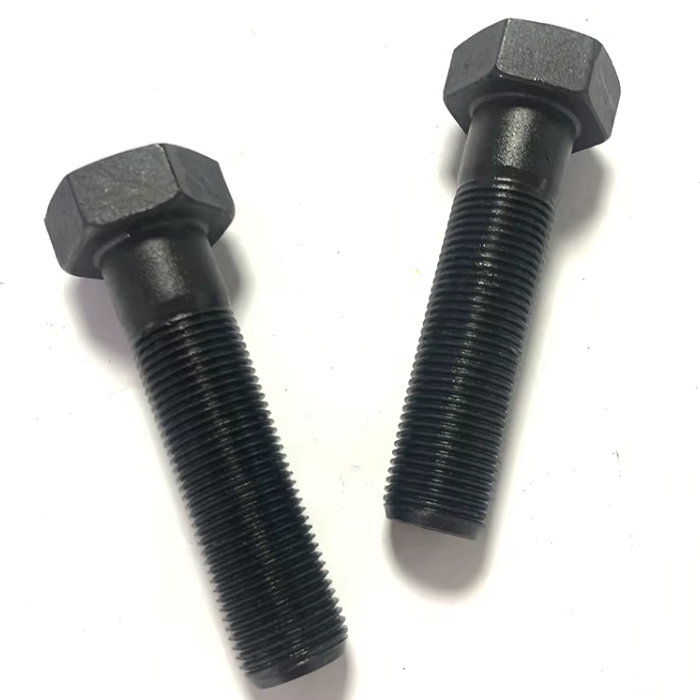
Grade 5 bolts are commonly used in various applications, but are they suitable for structural use? They are made from medium carbon steel and have a tensile strength of around 120,000 psi. While this strength is adequate for many purposes, it falls short compared to structural bolts specified by ASTM standards, like A325 and A490.
Bolt Type | Material | Minimum Tensile Strength |
Grade 5 | Medium Carbon Steel | 120,000 psi |
ASTM A325 | High Strength Steel | 120,000 psi |
ASTM A490 | Alloy Steel | 150,000 psi |
Using Grade 5 bolts in structural applications presents risks. They may not meet the necessary strength requirements for high-load situations, which could lead to structural failure. This is especially critical in safety-sensitive environments, where every component must perform reliably under stress.
Choosing the Right Bolt for Core Drilling
When selecting bolts for core drilling, several factors come into play. First, consider the load requirements of the application. It’s essential to choose bolts that can handle the expected stress and strain.
Adhering to structural standards is crucial. Using bolts that meet or exceed ASTM specifications ensures that they can withstand the forces they will encounter. This adherence not only guarantees safety but also compliance with building codes and regulations.
In summary, the selection of bolts for core drilling and structural applications should be made carefully. Understanding the differences between Grade 5 bolts and structural bolts is vital for ensuring the safety and integrity of any construction project.
Advantages of Using Core Drill Bits
Precision and Efficiency
Core drill bits are renowned for their precision, which is crucial in construction and engineering. They create exact holes, allowing for accurate placements of structural bolts and other fasteners. This precision reduces the risk of misalignment, which can lead to structural weaknesses.
Moreover, core drilling significantly enhances efficiency compared to traditional drilling methods. Traditional techniques often require multiple steps to achieve the same level of accuracy, which can be time-consuming. Core drilling, on the other hand, allows for a single pass to create a clean, precise hole, saving both time and labor costs.
Advantage | Core Drilling | Traditional Drilling |
Precision | High | Moderate |
Time Efficiency | Fast | Slower |
Labor Costs | Lower | Higher |
Reduced Material Waste
Another significant advantage of core drilling is its ability to minimize material waste. Unlike conventional drilling methods, which can produce excess debris and require additional cleanup, core drilling extracts a cylindrical core from the material. This method ensures that only the necessary material is removed, leading to less waste overall.
The environmental benefits of efficient drilling techniques cannot be overlooked. By reducing waste, core drilling contributes to sustainability in construction. Less waste means fewer materials sent to landfills, which is a positive step toward minimizing our environmental footprint. Additionally, the reduced need for cleanup translates into lower energy consumption and fewer resources used during the drilling process.
In essence, core drill bits offer precision and efficiency while minimizing waste. These advantages make them an ideal choice for projects requiring structural bolts and other critical applications.
Maintenance and Care for Core Drill Bits
Tips for Maintaining Core Drill Bits
Proper maintenance of core drill bits is crucial for ensuring their longevity and performance. Regular cleaning is one of the most important practices. After each use, it’s essential to remove any debris and buildup from the bit. This can be done using a soft brush or cloth. Storing them in a dry place helps prevent rust and corrosion, which can significantly impact their effectiveness.
When it comes to storage, keeping the bits in a protective case or rack can help avoid damage. Additionally, applying a light coat of oil can further protect the bits from moisture and rust. By following these simple steps, you can extend the lifespan of your core drill bits and ensure they remain effective for future projects.
Maintenance Task | Recommended Action |
Cleaning | Brush off debris after each use |
Storage | Store in a dry, protective case |
Protection | Apply light oil to prevent rust |
Signs of Wear and When to Replace
Recognizing the signs of wear is essential for maintaining the performance of core drill bits. If you notice a decrease in drilling efficiency or an increase in vibration during use, it might be time to inspect the bit closely. Other indicators include visible damage, such as chips or cracks, which can compromise the bit's integrity.
Replacing worn-out bits promptly is crucial. Continuing to use a damaged bit can lead to poor drilling results and even damage to the material being drilled. Generally, if the bit shows significant wear or has been used extensively, it’s wise to consider replacement.
Common Issues and Troubleshooting
During core drilling, various issues can arise, affecting the overall process. One common problem is overheating, which can occur if the bit is pushed too hard or if insufficient coolant is used. To mitigate this, ensure you are using the correct speed settings and monitor the temperature of the bit during operation.
Another frequent challenge is bit binding, which happens when the bit becomes stuck in the material. To address this, try retracting the bit slightly to relieve pressure, then resume drilling. Keeping the bit well-lubricated can also help prevent binding and ensure smoother operation.
Problem | Symptoms | Solutions |
Overheating | Increased temperature, smoke | Adjust speed, use coolant |
Bit Binding | Stuck in material | Retract slightly, lubricate |
By understanding how to maintain core drill bits effectively and troubleshoot common issues, you can ensure optimal performance and extend the life of your tools. This proactive approach not only saves time but also enhances the quality of your core drilling projects.
Conclusion
Core drill bits play a vital role in structural applications. They ensure precision and efficiency when creating holes for structural bolts. Their ability to minimize waste also contributes to more sustainable construction practices.
Using the right bolts, such as grade 5 bolts, is essential for maintaining structural integrity. These bolts provide reliable strength and durability in various construction projects.
In summary, understanding the significance of core drill bits and appropriate bolts is crucial for successful structural engineering. This knowledge helps ensure safety and longevity in construction.
FAQ
Q: What materials can core drill bits be used on?
A: Core drill bits can be used on various materials, including concrete, brick, stone, and asphalt.
Q: How do I choose the right size core drill bit?
A: Choose a core drill bit size based on the diameter of the hole needed for your project.
Q: Can core drill bits be used for residential projects?
A: Yes, core drill bits are suitable for residential projects, such as plumbing and electrical installations.
Q: What are the safety precautions when using core drill bits?
A: Always wear safety goggles, use appropriate PPE, and ensure stable footing while operating core drill bits.


