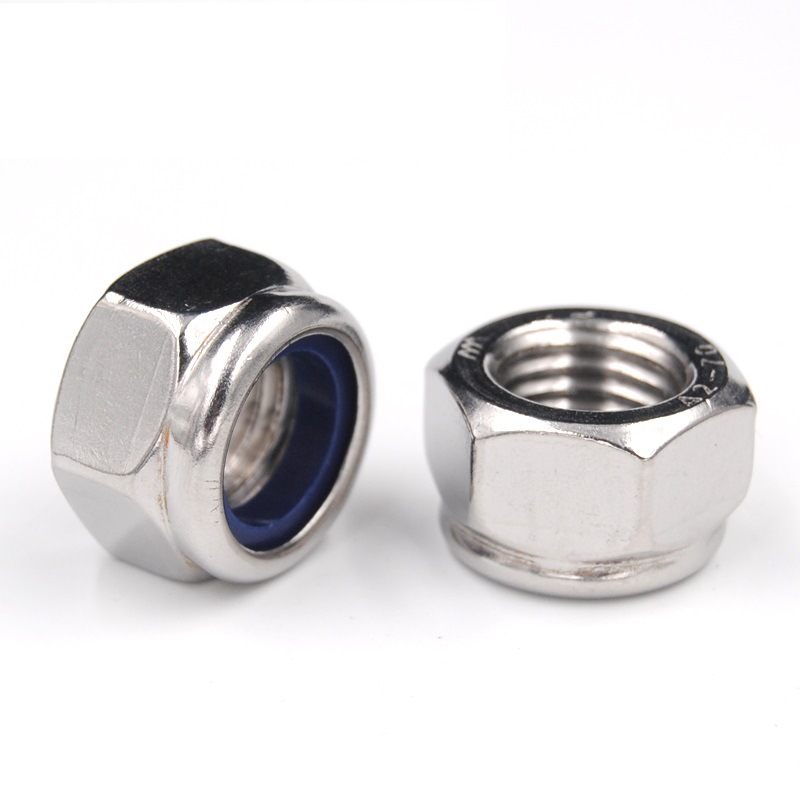
Nylon lock nuts are engineered to resist loosening from severe vibration. This exact design trait inherently makes them stubborn to back off. When maintenance teams service heavy machinery or automotive components, they often face significant struggle during disassembly.
The continuous, heavy dragging resistance during removal often mimics the feel of cross-threading. Many mechanics and DIY enthusiasts worry this sensation indicates permanent metal galling. This anxiety often leads to a common question in garages and workshops. People frequently ask, can nylon lock nuts be removed safely without destroying the underlying hardware?
The short answer is yes. You can take them off safely and preserve your hardware. The key relies entirely on understanding how they work. In this article, you will learn the exact mechanics behind this friction. We will cover the right tools to prevent galling, how to inspect hardware afterward, and exactly when you must replace the nut.
Key Takeaways
Nylon Does Not Damage Metal: The stiff resistance felt during removal is "prevailing torque" caused by the nylon insert gripping the threads, not the threads stripping.
Speed Increases Risk: Using high-speed impact tools can cause heat buildup, leading to metal galling (especially on stainless steel bolts), which *will* damage the threads.
Reuse is Limited: A removed nylon lock nut loses structural integrity; if it can be threaded on by hand, a replacement nylon nut is mandatory for secure fastening.
Inspection is Essential: Always clean and test the bolt with a standard nut post-removal to verify thread health before reassembly.
Why Removing a Nylon Lock Nut Feels Like Bolt Thread Damage
Many mechanics panic when they encounter heavy resistance while backing off a lock nut. They assume the metal threads are tearing. However, understanding the physics behind the fastener quickly dispels this myth. The resistance is a deliberate design feature.
The Mechanics of Prevailing Torque
A nylon lock nut features an unthreaded nylon collar integrated into its top ring. When you install the nut, the steel bolt threads force their way into this collar. The nylon material undergoes elastic deformation. It stretches and molds tightly around the metal threads. This action creates a continuous, 360-degree friction lock. Engineers call this "prevailing torque."
Because the nylon constantly squeezes the bolt, it requires continuous physical force to turn the nut. Standard nuts spin freely once broken loose. A nylon lock nut will fight you for every single rotation. This heavy dragging sensation feels exactly like damaged threads.
Friction vs. Thread Deformation
It is physically impossible for the nylon insert to strip the steel threads. Nylon is fundamentally softer than carbon steel, stainless steel, or alloy bolts. If aggressive friction occurs between these two materials, the nylon will always yield first. The nylon might shred or deform, but it will never cut into the hardened metal.
The Stainless Steel Trap (Galling)
If nylon cannot hurt the bolt, why do so many bolts strip during removal? The real culprit is a phenomenon called metal galling, often referred to as cold welding. This issue plagues stainless steel fasteners specifically.
When you force a tight nut off a dry bolt, the metal-on-metal friction generates intense, localized heat. Because stainless steel cannot dissipate heat quickly, the microscopic high points of the threads melt and fuse together. As you continue turning the wrench, you literally tear the welded metal apart. This causes severe bolt thread damage. People mistakenly blame the nylon insert, but the true cause is friction, heat, and a lack of lubrication.
Differences Between Normal Resistance and Severe Hardware Failure
Characteristic
Prevailing Torque (Normal)
Metal Galling (Damage)
Resistance Type
Smooth, consistent heavy drag
Jerky, binding, locking up completely
Sound
Quiet, maybe slight squeaking
Loud popping, grinding, or snapping
Heat Generation
Mild warmth
Extreme heat, painful to touch
Debris
Small blue or white nylon flakes
Sharp, jagged silver metal shavings
Best Practices to Remove a Nylon Lock Nut Safely
Proper technique guarantees a safe disassembly. When you need to remove nylon lock nut assemblies, patience is your best asset. Rushing the process with aggressive tools usually ends in broken hardware.
Select the Right Tools
You should always prioritize hand tools over power tools. Ratchets, long breaker bars, and heavy-duty box-end wrenches offer complete control. High-speed impact drivers spin fasteners far too quickly. High RPMs generate instant friction. As discussed earlier, friction creates heat, and heat leads directly to thread galling.
Slow, steady rotation prevents friction-induced heat. Working by hand allows you to feel the hardware. If the nut starts to bind heavily, you can stop before the threads tear.
Apply Proper Lubrication
Dry threads are the enemy of safe removal. Always apply a high-quality penetrating oil to the exposed threads before you begin backing the nut off. The oil serves two purposes. First, it cools the metal down. Second, it creates a slick barrier between the male and female threads, drastically reducing metal-on-metal friction.
If you anticipate removing the fastener in the future during the initial assembly, use an anti-seize compound. A tiny dab of nickel or copper anti-seize prevents cold welding entirely.
Avoid Heat Applications (Unless Destroying the Nut)
Mechanics often use blowtorches to loosen stubborn, rusted standard nuts. Heat expands the metal and breaks rust bonds. However, applying a torch to a lock nut is a terrible idea.
Direct heat instantly melts the nylon collar. The melted plastic turns into a sticky, hardened adhesive once it cools even slightly. This gummy residue binds the threads further, making removal significantly harder. Heat permanently ruins the fastener. You should only use a torch if you plan to cut the hardware off completely.
Managing Rusted Assemblies
Working in corrosive environments introduces a new challenge. If rust seizes the hardware, you must take extra precautions.
Clean the exposed threads: Use a stiff wire brush to scrub away heavy rust scale before moving the nut. If you force the nut over thick rust, the debris will destroy the threads inside the nut.
Soak the hardware: Apply chemical penetrants liberally. Let them soak for at least fifteen minutes.
Use the rocking method: Do not just force the nut left. Turn it counter-clockwise a quarter turn, then turn it clockwise an eighth of a turn. This back-and-forth rocking motion clears rust debris out of the thread pitch, preventing it from bunching up and jamming the fastener.
Post-Removal Inspection: Did the Bolt Survive?
Once you get the hardware apart, you must evaluate its condition. Reusing damaged hardware invites catastrophic failure in dynamic load applications.
Identifying Nylon Residue vs. Metal Shavings
Visual inspection provides the first clue to the health of your bolt. Look closely at the threads. You will likely see some debris.
If you see soft, flaky debris that matches the color of the lock nut insert (usually blue, white, or black), you have nothing to worry about. This is harmless shedding from the nylon collar. However, if you spot shiny, silver, jagged flakes resting in the thread valleys, you have a problem. Those sharp flakes indicate thread galling. The metal has sheared away.
Cleaning the Threads
You cannot evaluate a bolt properly if it remains covered in dirt and plastic. You must clear out left-behind nylon residue.
Grab a stiff brass wire brush. Brass is softer than steel, so it cleans effectively without scratching the base metal. Scrub the threads vigorously. For stubborn bits of melted plastic, a sharp dental pick works perfectly to scrape the valleys clean.
If you face severe buildup, use a dedicated thread-chasing tap. Thread chasers clean and reform threads without removing base material. Do not use a standard cutting die. Cutting dies will carve away healthy metal and weaken the fastener.
The "Finger-Tight" Test
This is the ultimate evaluation method for bolt health. Take a brand-new, standard hex nut (non-locking) of the exact same size and thread pitch. Try to thread it onto the cleaned bolt using only your bare hands.
If the standard nut spins freely all the way down to the base, the bolt has zero damage. It is safe for reuse. If the nut binds, stops, or requires a wrench after a few turns, the bolt is compromised. Stretched or galled threads cannot be trusted. You must replace the bolt immediately.
The Replacement Decision: Can You Reuse the Removed Nut?
One of the most debated topics in maintenance is fastener reuse. While the bolt often survives, the lock nut itself faces a different reality.
The Safety Standard (Aviation vs. Commercial)
In highly regulated industries, the rules remain absolute. Aviation standards, such as those enforced by the FAA, mandate strict compliance regarding fasteners. In aerospace, aviation, and heavy military applications, a replacement is legally required after a single removal. Once you back it off, it goes in the trash. These industries refuse to risk vibration loosening mid-flight.
Commercial trucking and heavy manufacturing generally follow similar safety protocols. Engineers design these nuts for single-use tension. The nylon loses its elastic memory after the first installation. It will never grip the threads as tightly a second time.
The DIY / Non-Critical Rule
Home mechanics often operate under different practical rules. In low-risk, non-structural applications, many people reuse them. For example, if you are securing a bracket on a lawnmower or building a wooden workbench, you can occasionally reuse them one or two times.
However, you must accept that its locking efficacy drops significantly with each use. The prevailing torque diminishes. You are essentially relying on friction that is a fraction of its original strength.
The Replacement Test
If you remain unsure about a used fastener, you can test it easily. Try to thread the used lock nut onto the bolt using only your fingers.
A healthy lock nut will stop turning by hand the exact moment the metal threads hit the nylon ring. At that point, you need a wrench. If you can thread the used nut completely past the nylon collar using just your fingers, the collar is permanently deformed. The locking mechanism is dead. The nut is totally useless. You must grab a replacement nylon nut to ensure a secure hold.
Evaluating Fastener Alternatives for Assemblies Requiring Frequent Removal
Nylocs work brilliantly for parts you install and leave alone. However, if an assembly requires frequent teardowns and maintenance, replacing nylon fasteners constantly becomes tedious. You might want to consider alternative locking methods.
Chemical Threadlockers (Loctite)
Liquid threadlockers offer an excellent alternative. Medium-strength chemical threadlockers (often color-coded blue) provide outstanding vibration resistance. They fill the microscopic gaps between threads and cure into a hard plastic.
Unlike nylon collars, threadlockers allow for easier, standard removal using normal hand tools. They do not cause the heavy, continuous dragging sensation during disassembly. The main drawback is preparation. You must clean the threads thoroughly and reapply the liquid chemical every single time you reassemble the parts.
All-Metal Lock Nuts (Stover / Toplock)
Some environments run too hot for plastics. Nylon melts around 250°F (121°C). In engine bays or exhaust systems, you must use all-metal lock nuts.
These nuts achieve prevailing torque by physically deforming the top metal threads during manufacturing. They grip incredibly tight. However, they pose a much higher risk of galling during removal. Because it is metal-on-metal friction, they are far more prone to causing thread damage if not heavily lubricated.
Castellated Nuts with Cotter Pins
For dynamic, critical loads, mechanical locking methods offer absolute security. Automotive suspension components frequently use castellated nuts.
These nuts feature slots cut into the top. You torque the nut to spec, align a slot with a hole drilled through the bolt, and insert a cotter pin. This provides a physical barrier against loosening. It allows for frequent, safe disassembly without any thread wear. You simply remove the pin and spin the nut off freely.
Fastener Locking Alternatives Comparison
Fastener Type
Vibration Resistance
Reusability
Temperature Limit
Nylon Insert Nut
High
Single-use recommended
250°F / 121°C
Liquid Threadlocker (Blue)
High
Requires reapplication
300°F / 149°C
All-Metal Lock Nut
Very High
Generally single-use
1000°F+ / 537°C+
Castellated Nut + Pin
Absolute Lock
Nut reusable, Pin single-use
Depends on base metal
Conclusion
Successfully disassembling secure hardware requires a balance between secure fastening and safe teardown procedures. The heavy resistance you feel is a design feature, not an automatic death sentence for your hardware.
By understanding prevailing torque, you can approach maintenance with confidence. Always remember that patience, proper hand tools, and generous lubrication remain your best defenses against thread galling. Never rush the process with high-speed impacts.
We encourage maintenance teams to conduct regular inventory checks. Keeping a steady supply of exact-spec replacement fasteners on hand eliminates the temptation of dangerous reuse. When in doubt, throw the old nut out and install a fresh one.
FAQ
Q: Can I use an impact wrench to remove a nylon lock nut?
A: It is highly discouraged, especially for stainless steel. High RPMs generate instant heat that melts the nylon collar. More importantly, this heat dramatically increases the risk of thread galling, which will destroy the bolt entirely.
Q: How do I clean melted nylon out of bolt threads?
A: Use a stiff brass wire brush, a sharp dental pick, or a dedicated thread-chasing tap to clear out the valleys. Avoid standard re-threading cutting dies as they cut away healthy base metal and weaken the bolt.
Q: Does a nylon lock nut damage the bolt upon installation?
A: No, the nylon deforms elastically to fit the threads securely. Nylon is much softer than steel. Damage during installation is almost always due to cross-threading, lack of lubrication, or over-torquing the metal components.